
Bathroom vanities, floors and shower walls in stone
Water, soap and steam every day: stone in a bathroom needs the right finish as much as the right colour.
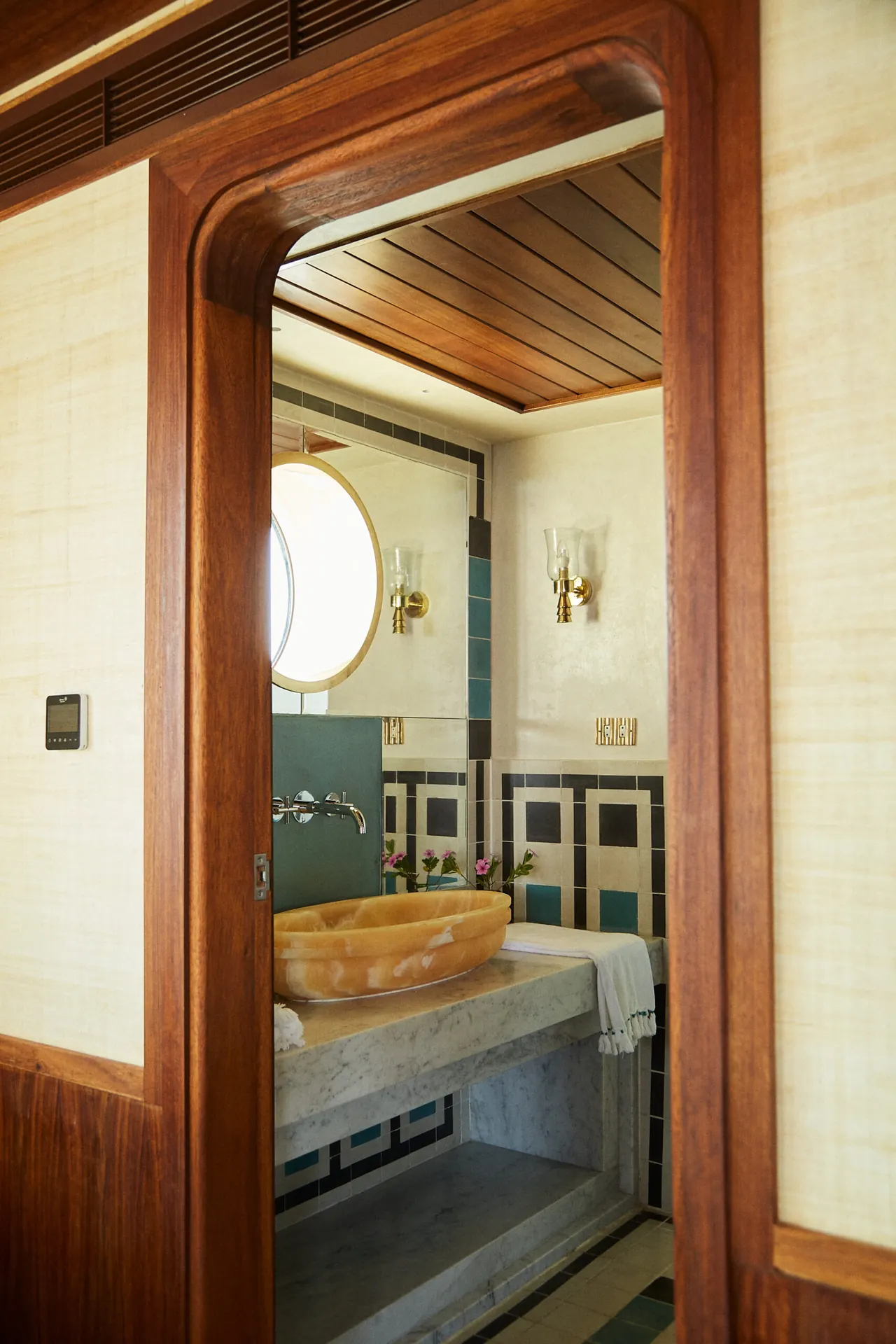
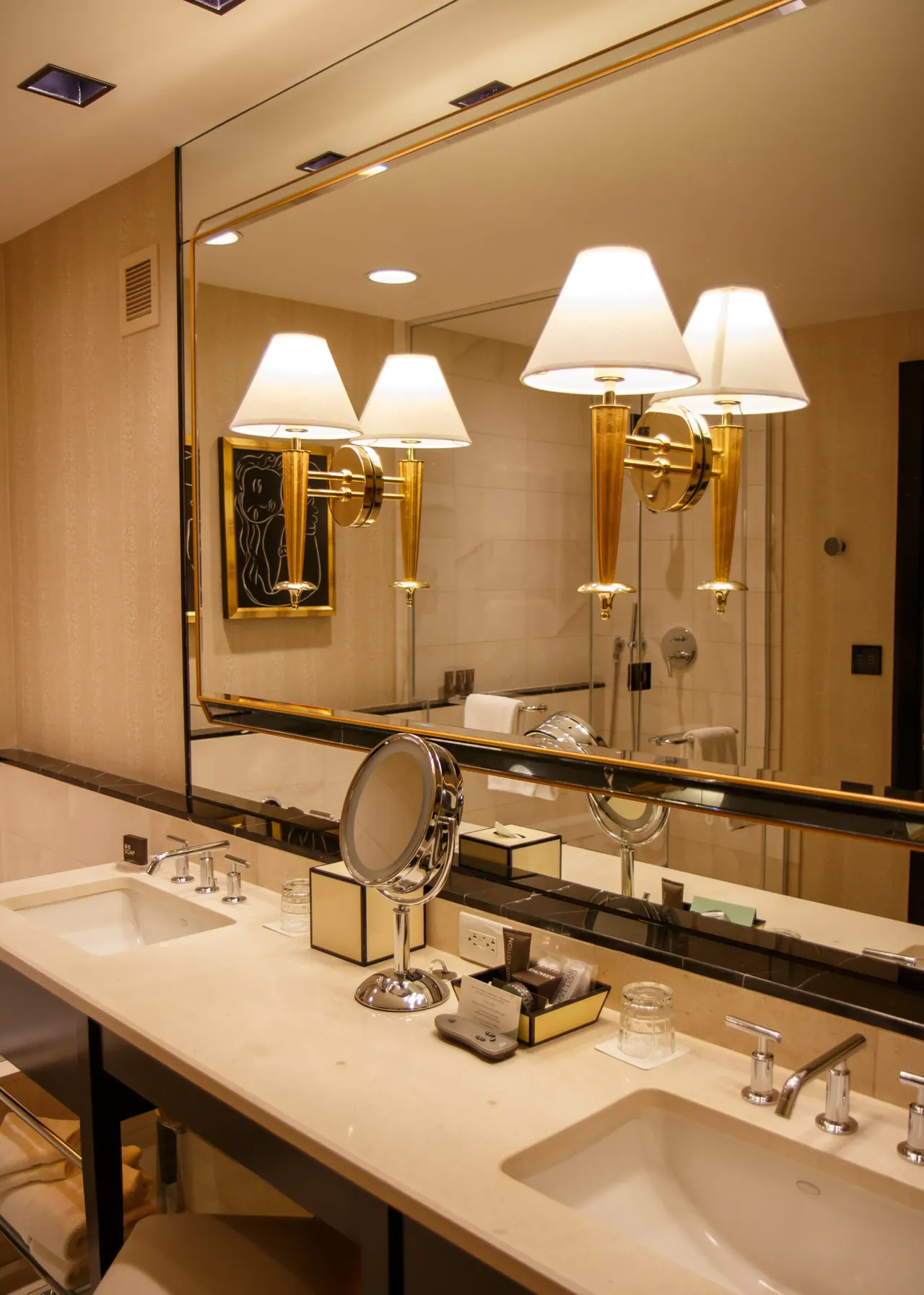
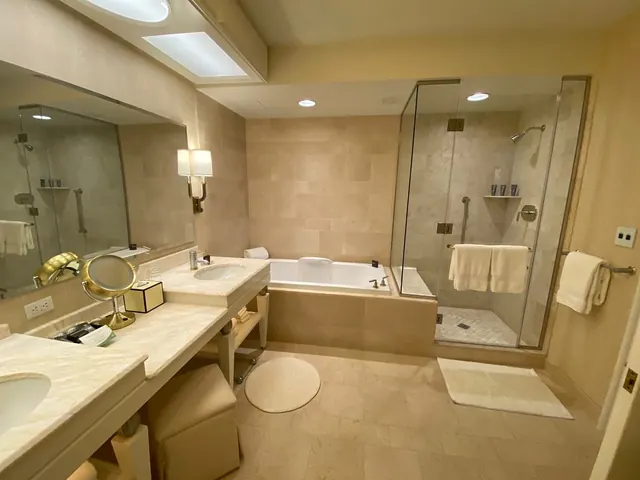
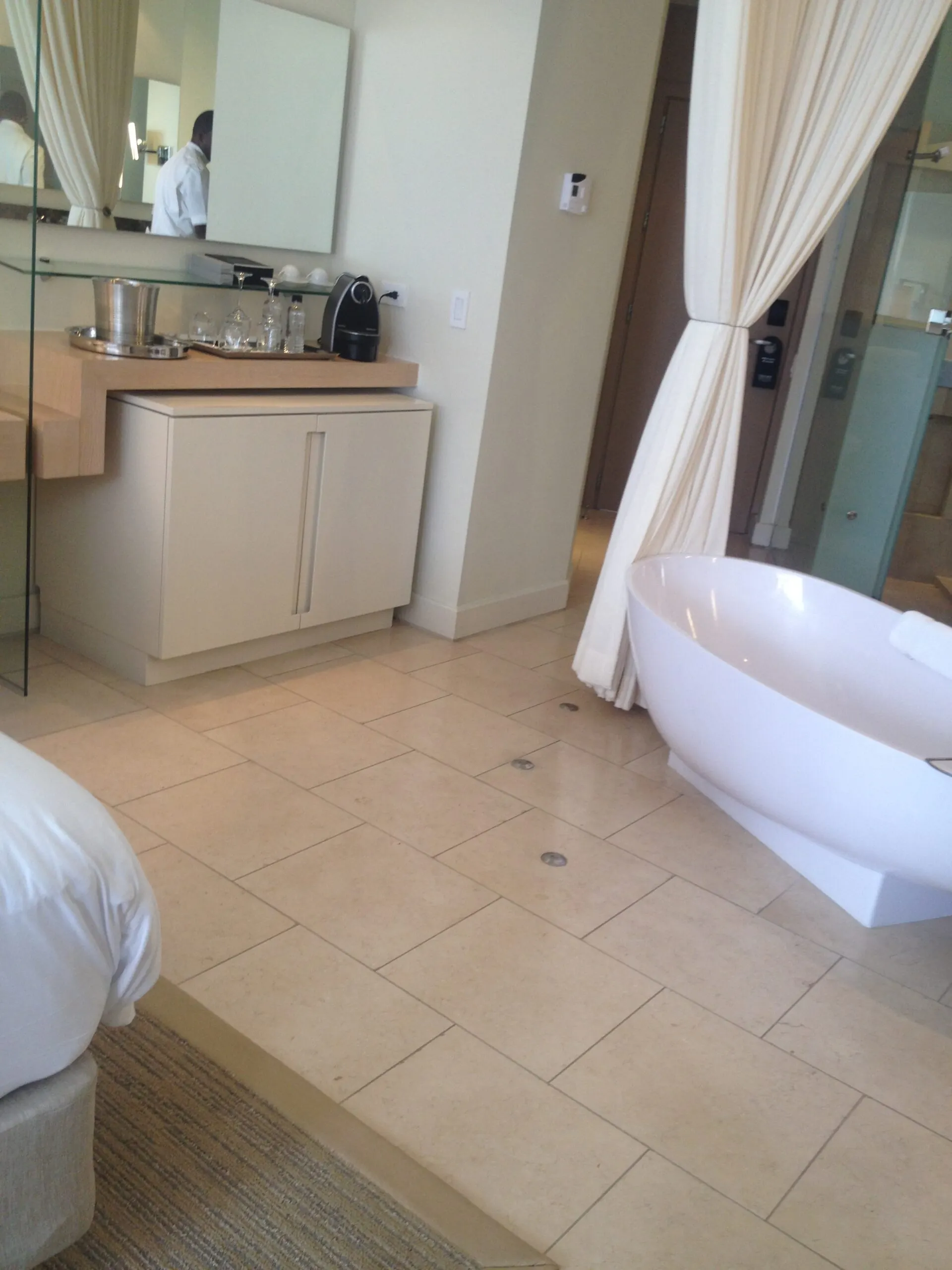
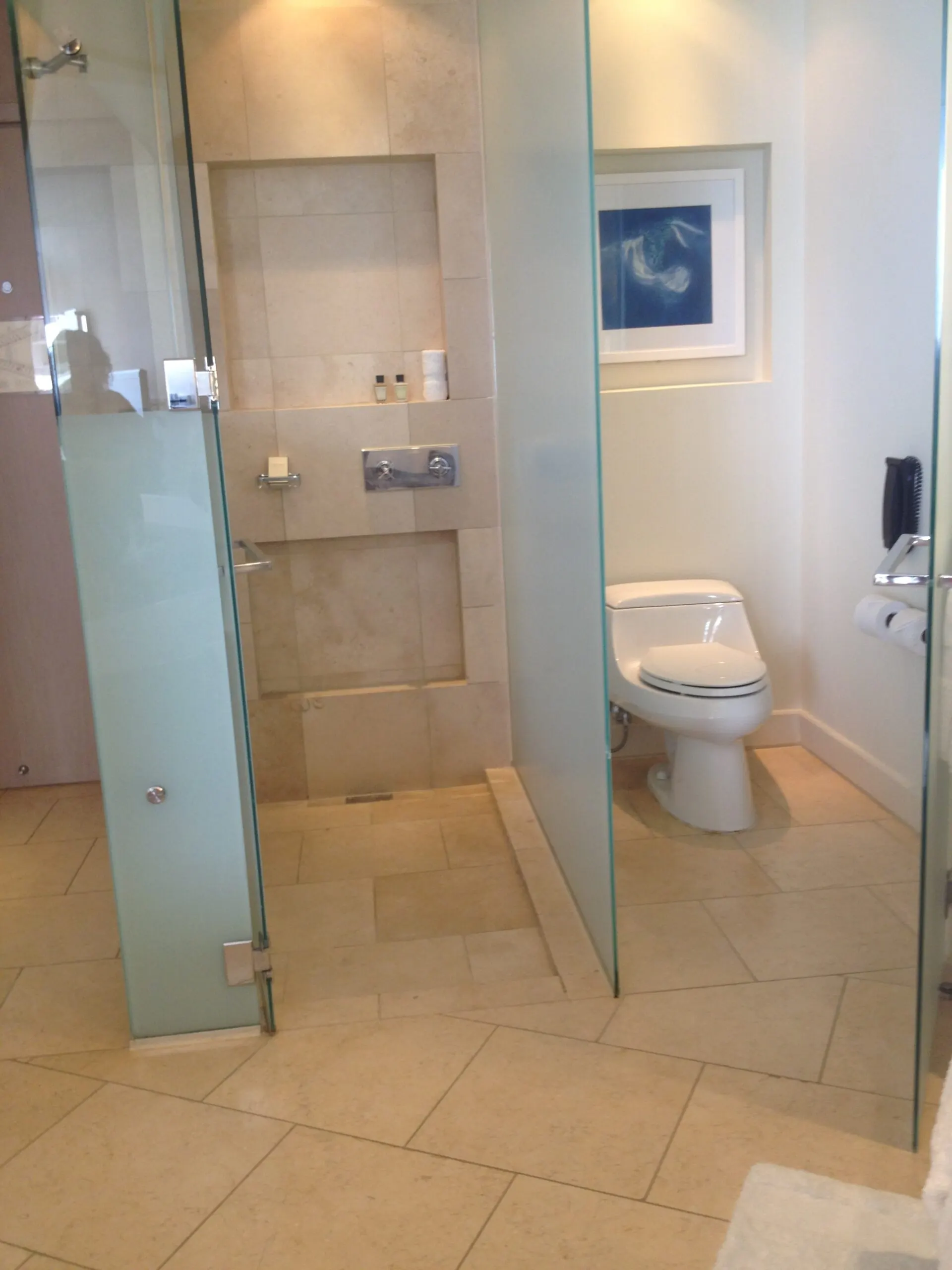
A bathroom asks different things of stone than a kitchen. There are no hot pots, but there is constant water, soap, shampoo, toothpaste and cleaning products, and a wet floor that people walk on barefoot. The vanity top has to shrug off stains, and the shower floor has to give grip.
We cut vanity tops with the basin opening, tap holes and a matching upstand, and we supply and install stone for bathroom floors, walls and shower areas. In the showroom you can compare polished, honed and leather finishes and think about how each will feel underfoot when wet, which is the part most people forget.
Stones that suit this use
Quartz is the easiest vanity top to live with. It does not absorb, so toothpaste, make-up and hair dye wipe off, and it never needs sealing.
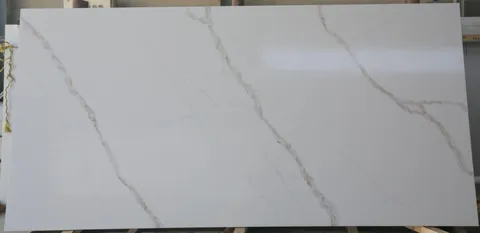
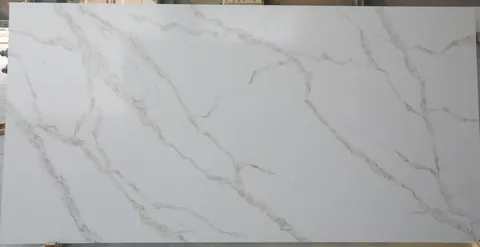

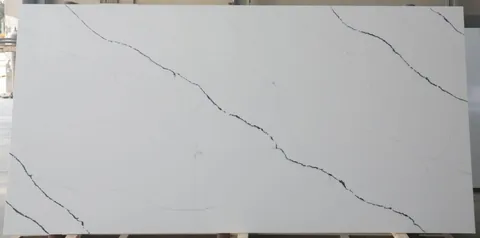
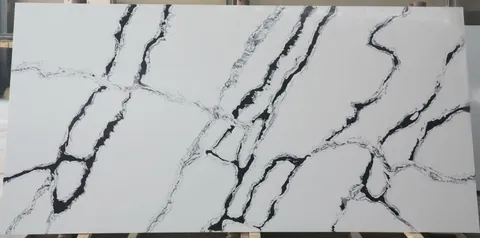



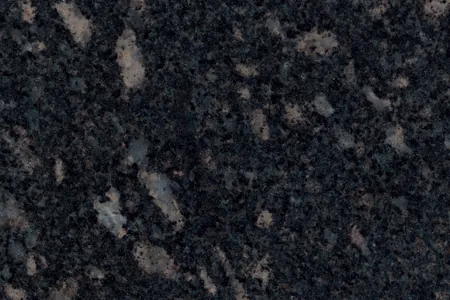
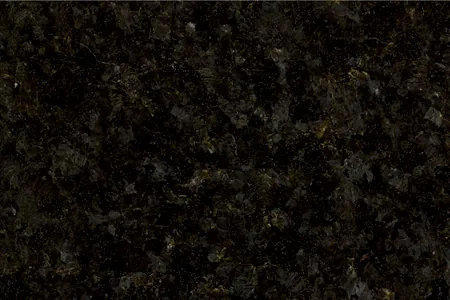
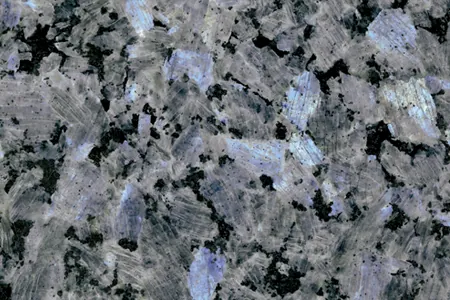
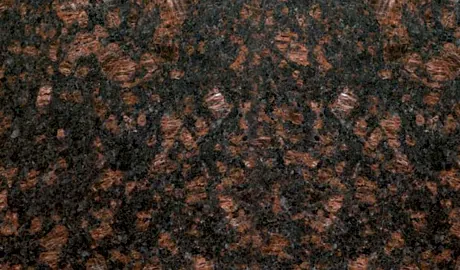
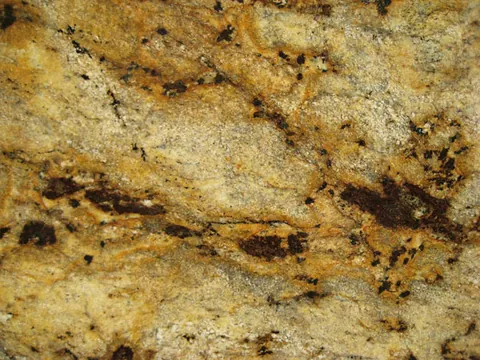
Granite suits vanity tops and floors that see heavy daily use. It is hard and resists stains, especially once sealed where the stone needs it, and a honed or leather finish works well on a shower floor.



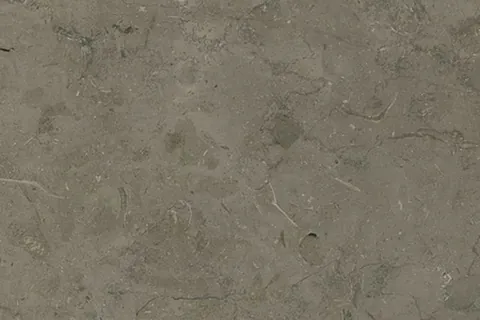
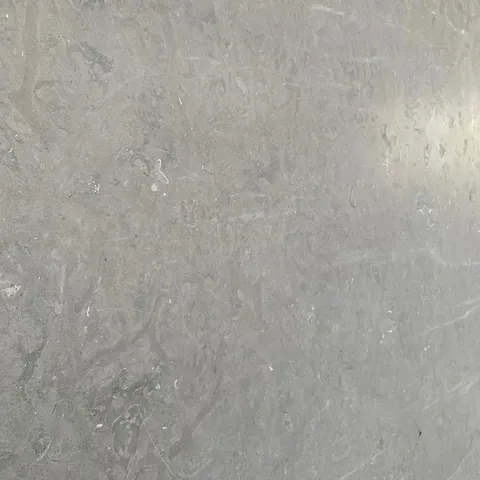
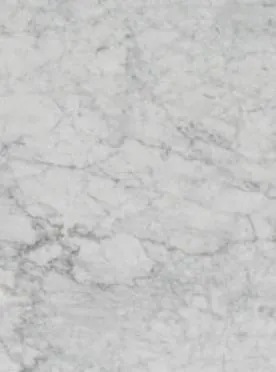
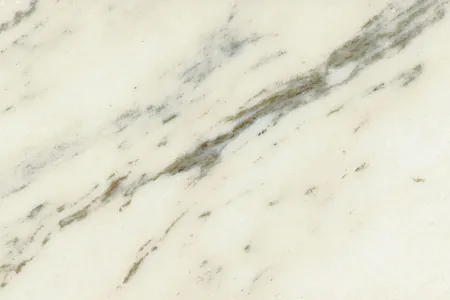
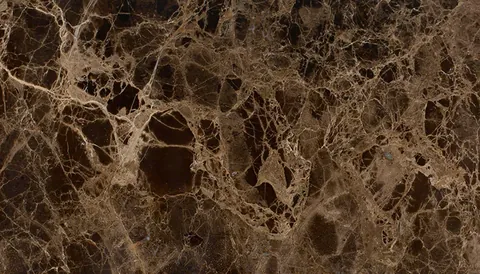
Marble gives a bathroom its classic look on walls, floors and vanities. Acidic cleaners and some cosmetics will etch it, so choose a honed finish and use cleaners made for stone.



What to decide
Vanity top
Vanity tops are usually 2 cm, often with a doubled front edge. They can take an undermount basin, a basin that sits on top or a drop-in basin, and the tap holes are cut to suit the mixer you have chosen.
Upstand
A low strip of the same stone along the wall behind the basin keeps splashes off the paint or tiles. The joint between upstand and top is sealed with silicone.
Shower floor
The shower floor is laid with a slope towards the drain. A honed, leather or lightly grooved finish gives better grip under bare feet.
Walls and niches
Wall panels can run floor to ceiling in large pieces, with fewer joints than tiles. Shower niches and shelves are cut from the same stone so the colour matches.
Joints
Joints between the stone and the bath, shower tray or basin are filled with a flexible sealant rather than cement grout, because these are the spots where water finds its way in.
How the job goes
- Visit the showroom or send photos of the bathroom
- Choose the stone and a finish for each surface
- Measure on site once plumbing and walls are ready
- Agree the basin, tap holes, niches and joint positions
- Cut and polish in the workshop
- Install, seal the joints and hand over
Questions people ask
Which stone is best for a bathroom vanity top?
For the least care, quartz, because it does not absorb anything. Granite is also very practical. Marble looks beautiful but shows marks from acidic products, so it suits people who accept a surface that ages.
Is marble slippery on a bathroom floor?
Polished marble can be slippery when wet. A honed or leather finish gives more grip, and inside the shower we suggest a textured finish. A bath mat outside the shower helps too.
Can you cut the stone for an undermount basin?
Yes. We need the basin itself or its template so the opening matches its size, and the cut edge is polished because it stays visible.
How do I clean a marble bathroom?
Use warm water and a mild cleaner made for stone, and dry standing water in the shower when you can. Avoid limescale removers, vinegar and other acidic products, since they etch marble.
Send a photo and your measurements
Message us on WhatsApp with a photo of your kitchen, stairs or floor and the rough size. We reply with stones that suit and a clear quote.