
Marble and granite stairs: treads, risers and landings
Stairs are used many times a day and are where a slip hurts most, so we plan grip and edges as carefully as colour.
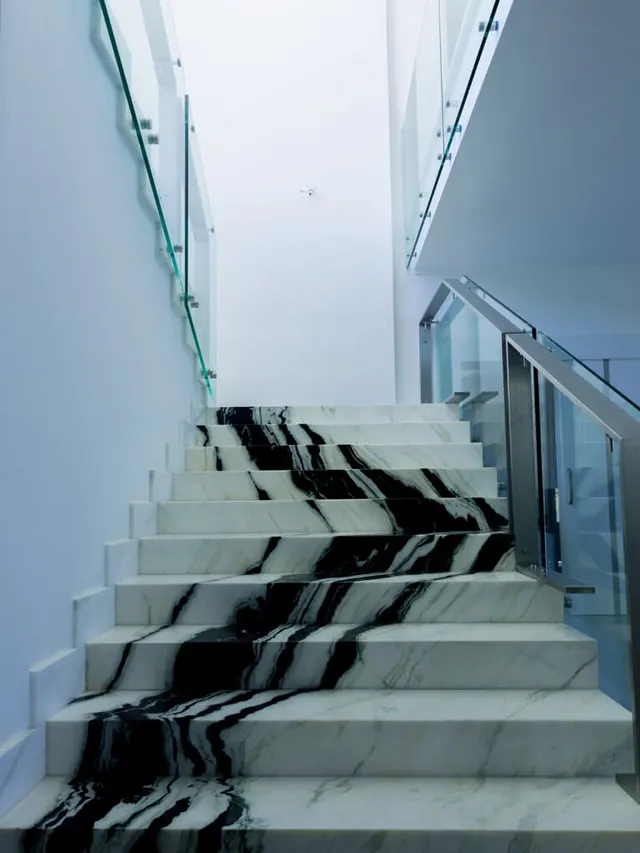
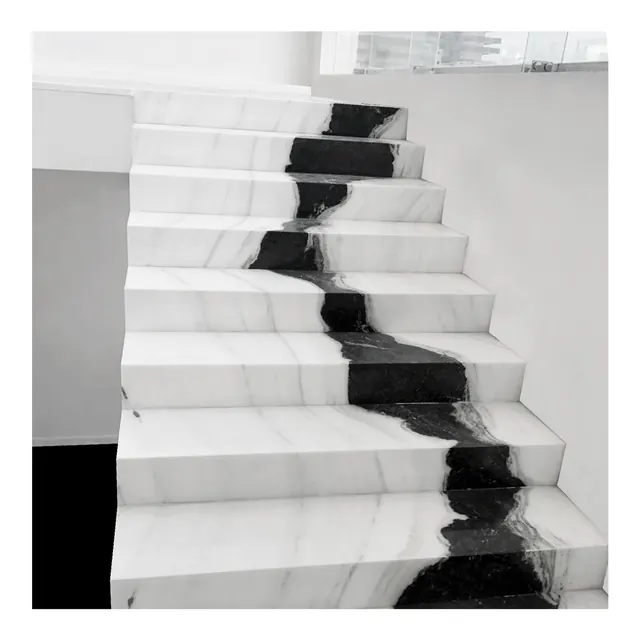
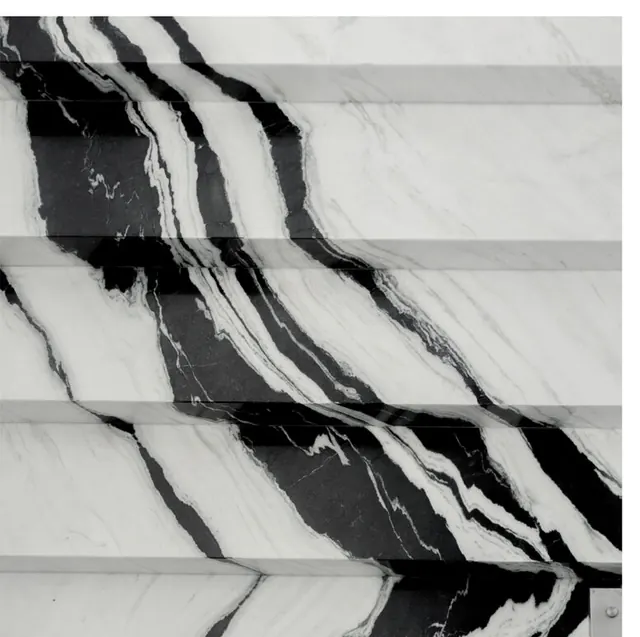
Stone stairs are one of the most common jobs in Egyptian homes and buildings, from a villa staircase to the shared stairs of an apartment block. Each step has a tread you walk on and a riser at the front, and most staircases also have landings and a skirting strip along the wall.
Stairs are measured step by step, because in real buildings steps often differ slightly in height and depth. We cut each tread and riser to its own measurement, shape and polish the front edge, add grooves where grip is needed, and install the full run including landings and skirting.
Stones that suit this use
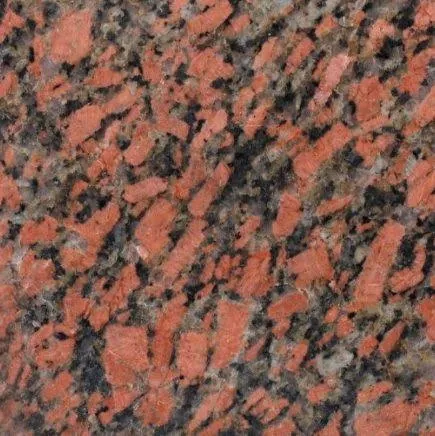
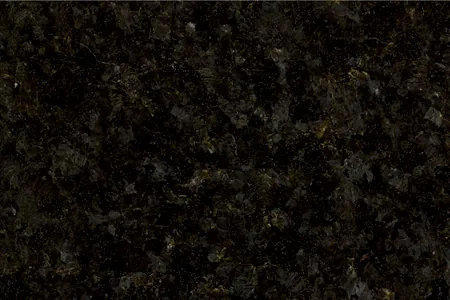
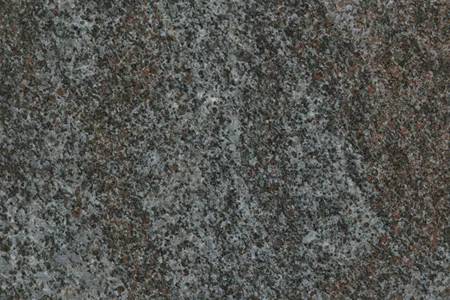
Granite is the hard-wearing choice for building stairs, entrances and outdoor steps. Egyptian granites such as Gandola are widely used on stairs because they take heavy traffic well.
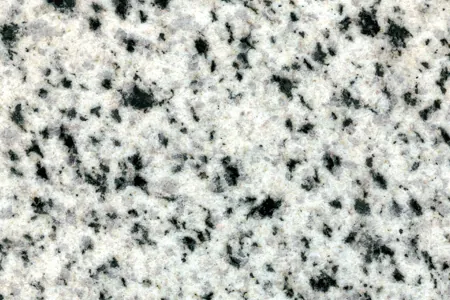
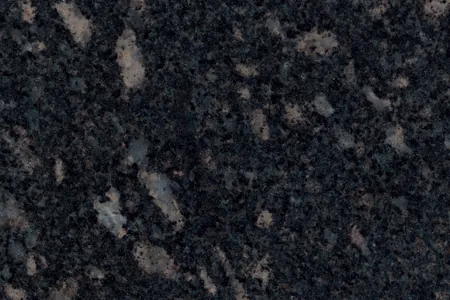
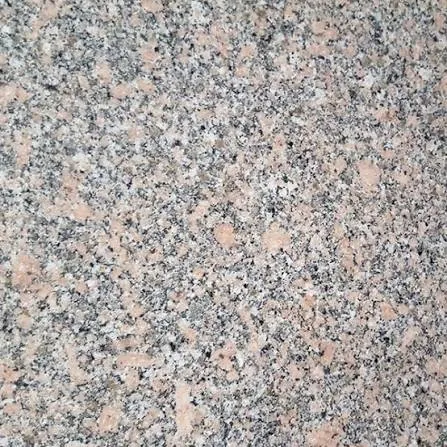
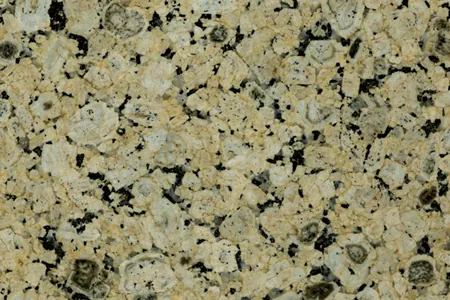

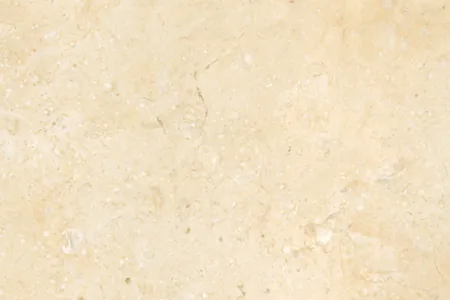
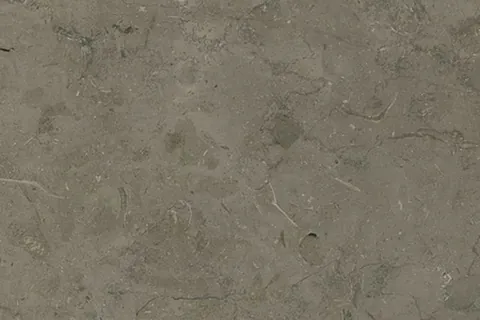
Marble suits indoor staircases in homes and villas where the look matters most. It wears faster than granite on busy stairs, and a honed finish makes it less slippery.
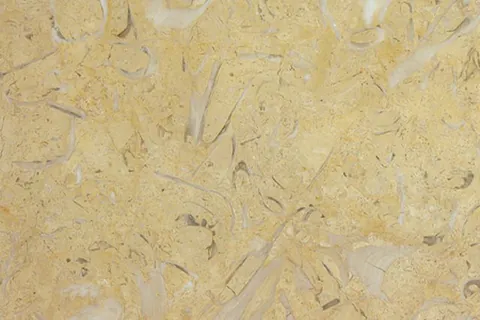
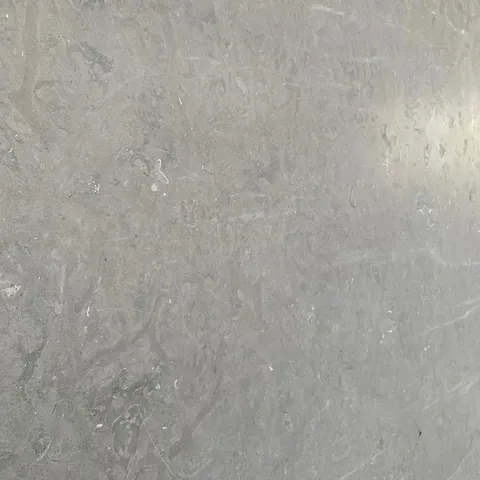
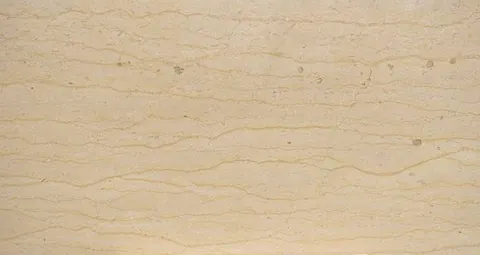

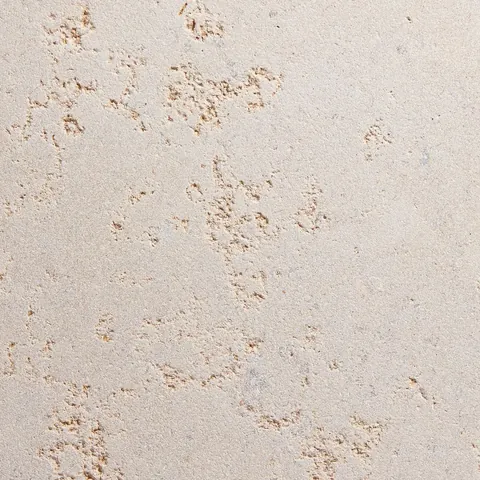
What to decide
Treads and risers
Treads are usually 3 cm thick and risers 2 cm. The thicker tread carries the load and gives the front edge a solid profile.
Front edge
The front edge of each tread is usually shaped half-round and polished, so it is comfortable underfoot and less likely to chip.
Anti-slip grooves
Outdoor steps and stairs that may get wet have grooves cut near the front edge. They add grip without changing the stone itself.
Landings
Landings are cut from the same stone as the treads and planned to line up with the steps, so joints fall in straight lines.
Skirting
A stone skirting strip cut to follow each step protects the wall paint from shoes and mops and gives the staircase a clean finish.
How the job goes
- Visit the showroom or send photos of the stairs
- Choose the stone, finish and edge profile
- Measure every step and landing on site
- Agree the edge, grooves and skirting details
- Cut, shape and polish each piece
- Install the treads, risers, landings and skirting
Questions people ask
Why is Gandola granite so common on stairs?
Gandola is an Egyptian granite with a light grey speckled look that hides dust and wear. It is hard, so it suits stairs with a lot of traffic, such as building staircases and entrances.
How thick should stair treads be?
Treads are usually 3 cm and risers 2 cm. For very wide steps or special designs, the thickness is discussed when we measure.
Are marble stairs slippery?
Polished marble can be slippery, especially in socks or wet shoes. A honed finish helps indoors, and outdoor steps should have grooves near the edge or a textured finish such as flamed granite.
Can the stone on old stairs be replaced?
Old stone can usually be removed and new treads and risers fitted, as long as the concrete steps underneath are sound. We look at them when we measure.
Send a photo and your measurements
Message us on WhatsApp with a photo of your kitchen, stairs or floor and the rough size. We reply with stones that suit and a clear quote.