
Outdoor granite and marble for facades, terraces and pools
Outside, stone faces sun, salt air, rain and wet feet, so the finish you choose matters as much as the stone.
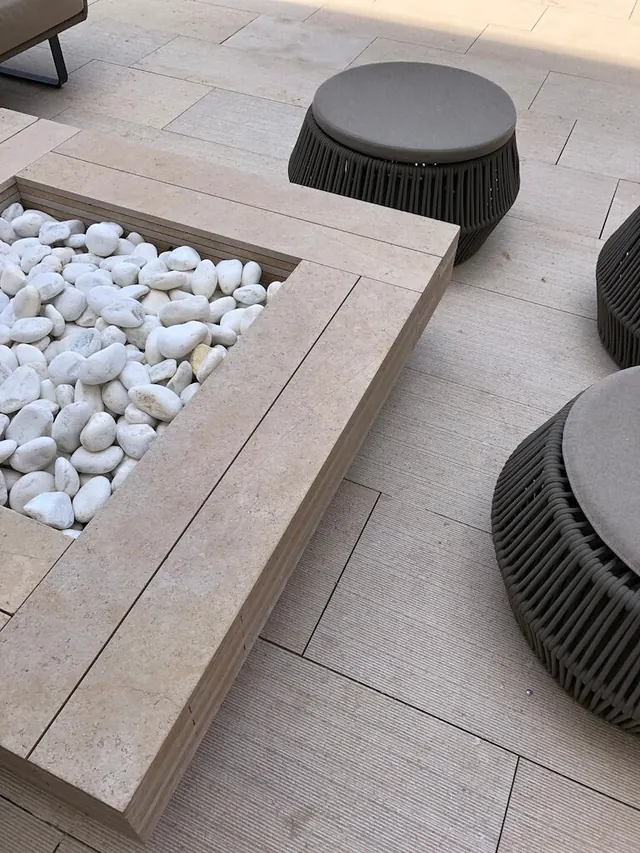
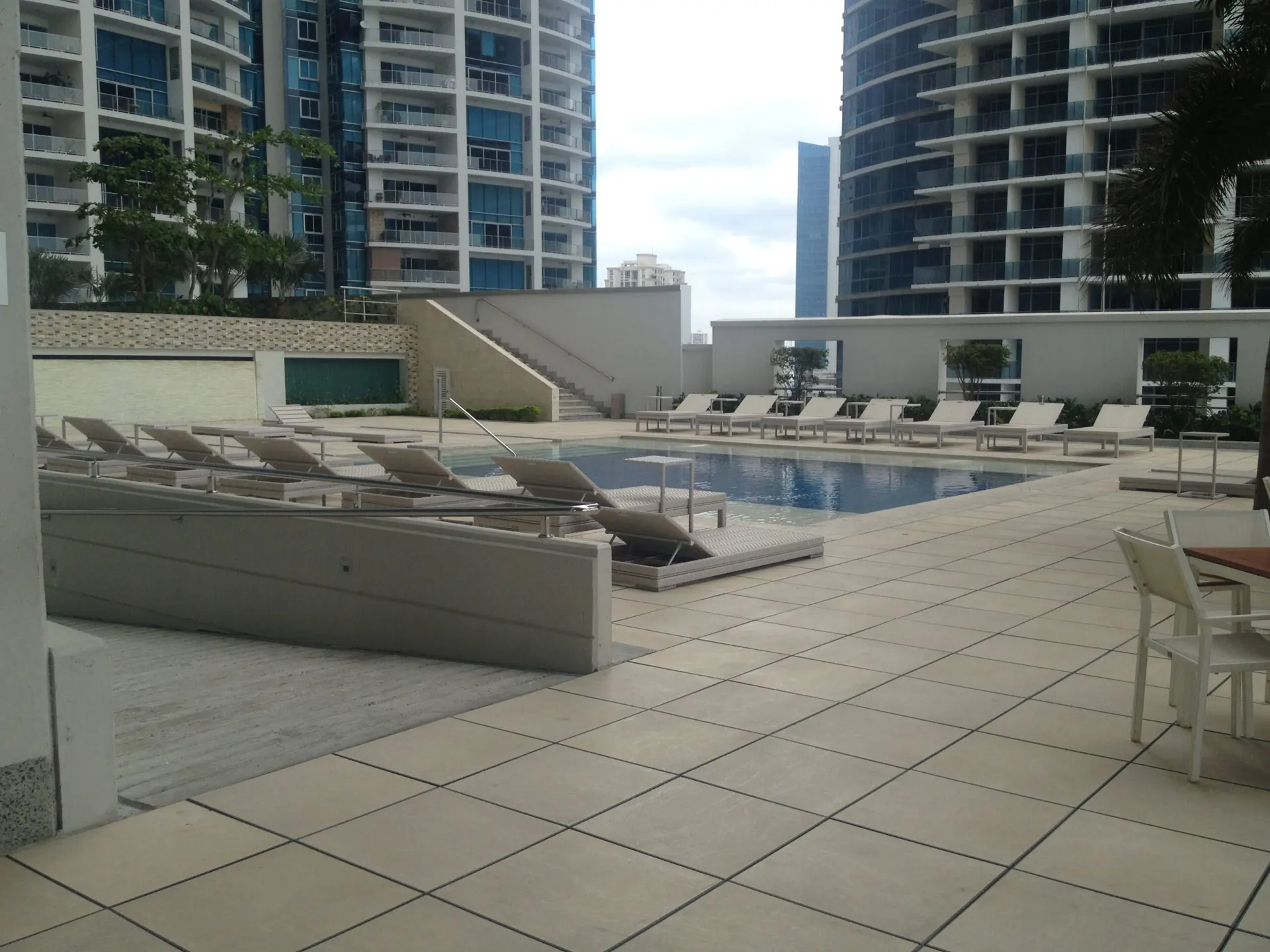
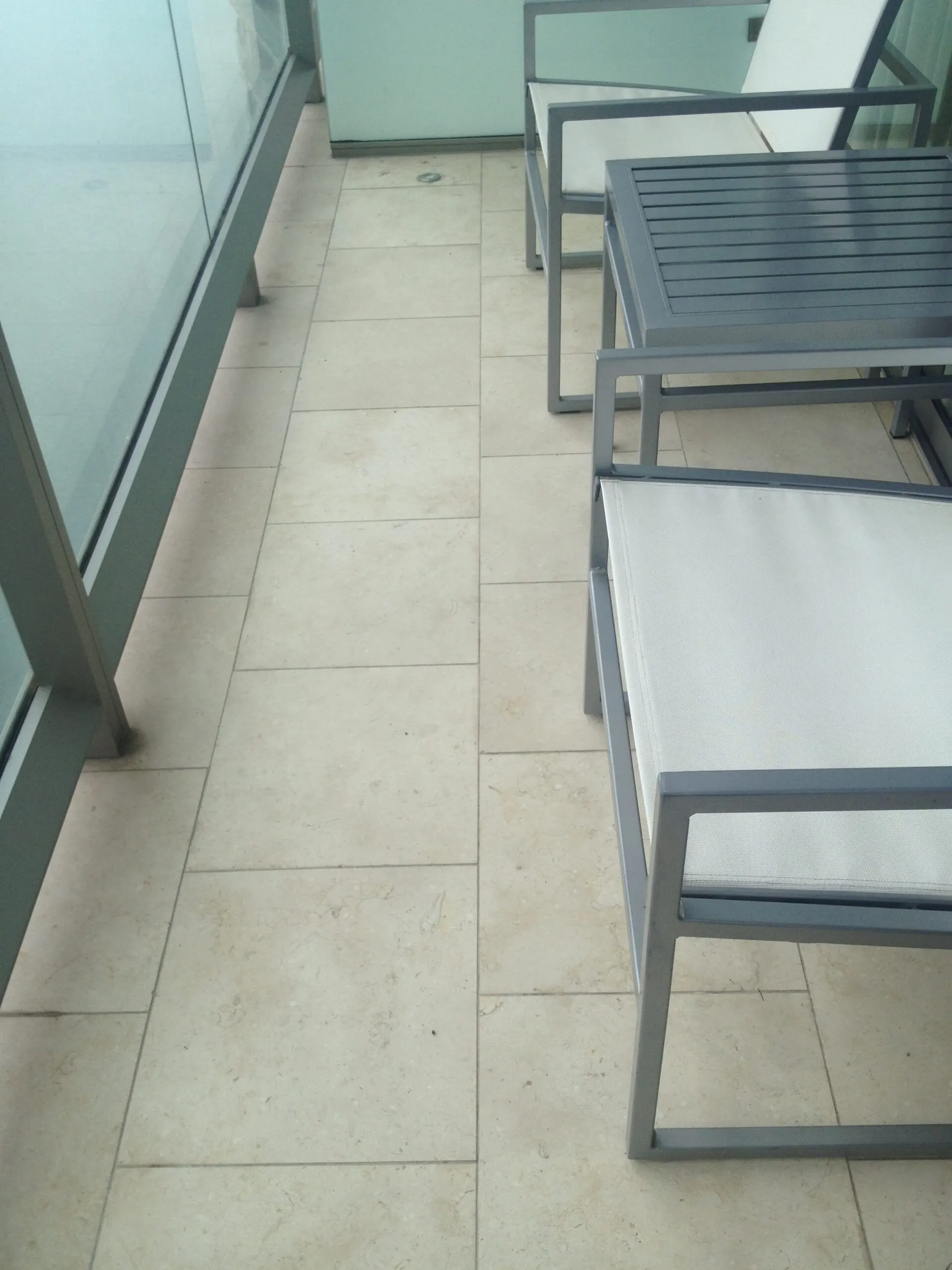
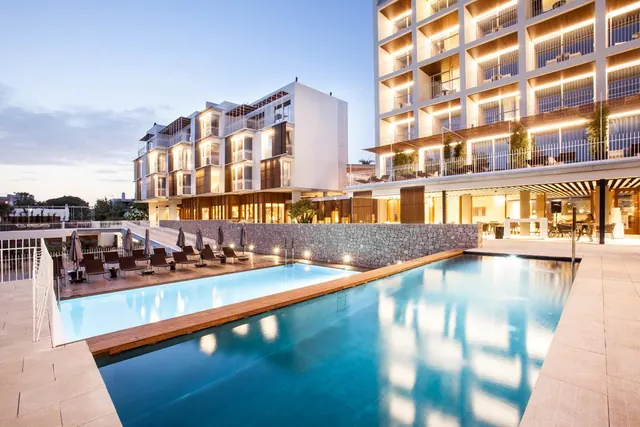
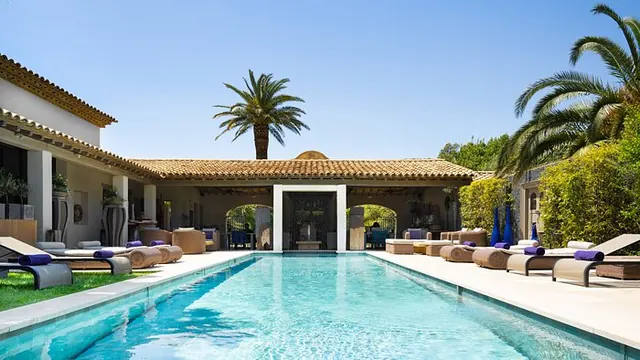
Outdoor stone works in harsher conditions than anything inside. On the North Coast and along the Alexandria seafront it faces strong sun, salty air and humidity, and around a pool it meets wet bare feet and chlorinated water. A stone and finish that look perfect in a showroom can turn slippery or lose their shine quickly if they are wrong for the spot.
For terraces, steps, paths and pool surrounds we recommend textured finishes such as flamed, bush-hammered or sandblasted, which give grip when wet. Facades and tall exterior cladding are fixed mechanically. We help you choose stone that suits your site, then cut, fix and finish it.
Stones that suit this use
Granite is the first choice outside. It is hard, stands up to sun and salt air, and takes flamed and bush-hammered finishes well, which makes it a safe surface around pools and on steps.
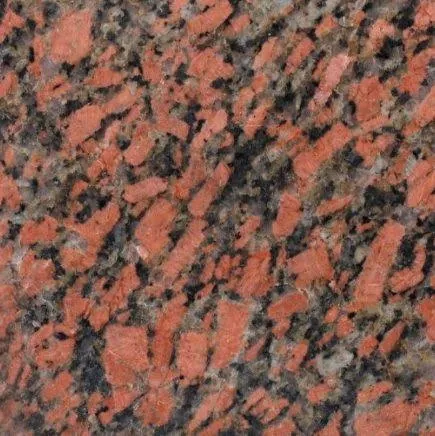
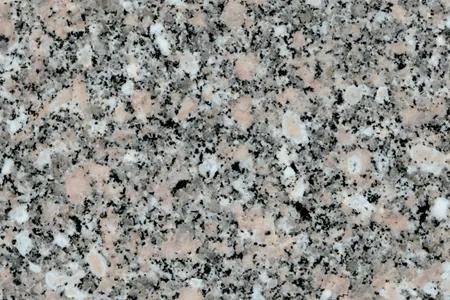
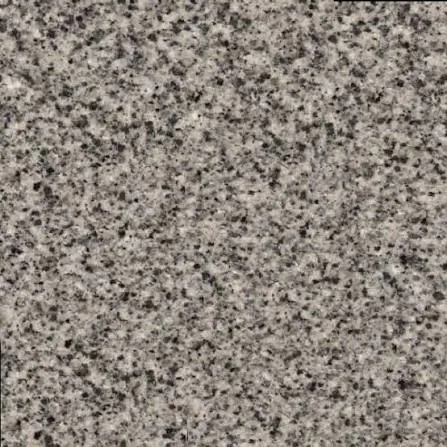
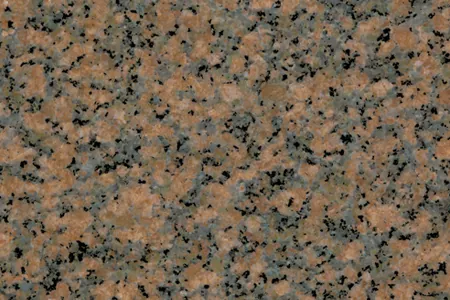
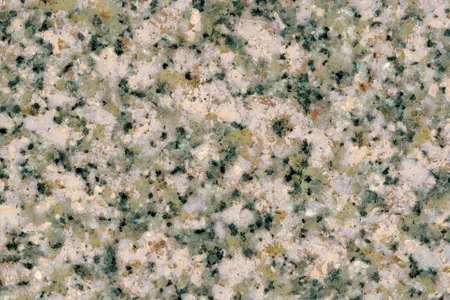
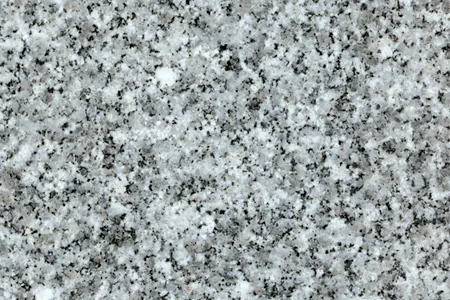
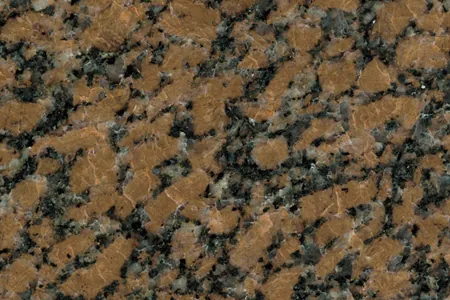
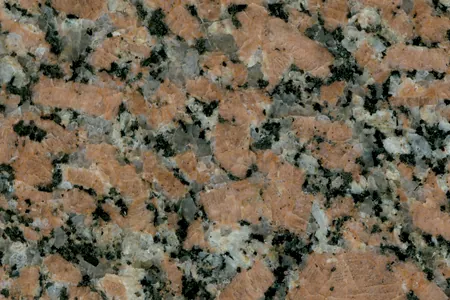
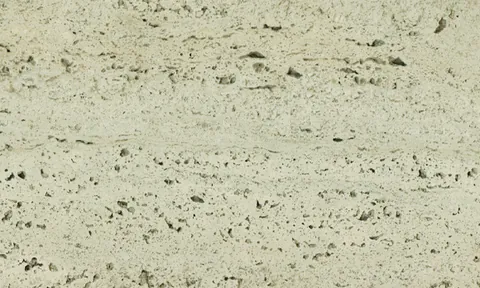
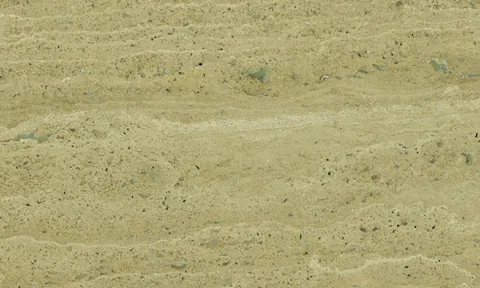
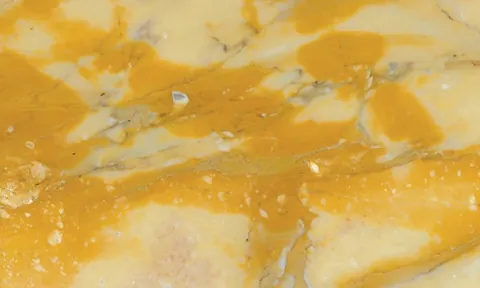
Marble can be used outside on facades and dry areas with a honed or sandblasted finish. Polish fades in sun and rain, and weather and salt air dull the surface over time, so it needs more care than granite.

What to decide
Finishes for grip
Flamed granite is treated with a flame to give a rough, crystalline surface. Bush-hammering textures the stone with a toothed hammer head, and sandblasting gives a finer grip. All three are safer than polished stone when wet.
Pool surrounds
Pool edges are usually cut with a rounded front edge and a non-slip top. Rinse them with fresh water from time to time to wash off chlorine and salt.
Facades and mechanical fixing
Heavy or high exterior cladding is fixed mechanically with stainless steel anchors, so each panel is held by metal and not by adhesive alone.
Sun, salt and humidity
On the coast, choose dense stones and rinse salt off regularly. Sealing, where the stone needs it, helps reduce staining and water absorption.
Slope and drainage
Terraces and paths need a slight slope so water runs off instead of sitting on the stone. Standing water leaves marks and makes the surface slippery.
How the job goes
- Visit the showroom or send photos of the site
- Choose the stone and a finish for each area
- Measure on site and check levels and slopes
- Agree the layout, edges and fixing method
- Cut and finish the stone
- Install, seal where needed and hand over
Questions people ask
Which finish is safest around a swimming pool?
A textured finish such as flamed, bush-hammered or sandblasted granite gives good grip under wet bare feet. Avoid polished and smooth finishes around the pool.
Can I use quartz on my terrace?
No. Quartz is bound with resin, and strong sun can yellow or damage it. For terraces and anything outdoors, choose granite or a suitable natural stone.
How does the North Coast climate affect stone?
Sun, salt air and humidity dull polished surfaces and can stain porous stones. Dense granites with textured finishes cope far better, and rinsing with fresh water keeps salt from building up.
Why do facades need mechanical fixing?
Exterior panels are heavy, high up and exposed to heat and weather. Metal anchors hold each panel to the building, so the stone does not depend on adhesive alone, which is safer for anyone below.
Send a photo and your measurements
Message us on WhatsApp with a photo of your kitchen, stairs or floor and the rough size. We reply with stones that suit and a clear quote.