
Kitchen countertops in granite, quartz and marble
A countertop works hard every day, so we help you choose a stone that suits the way you actually cook.
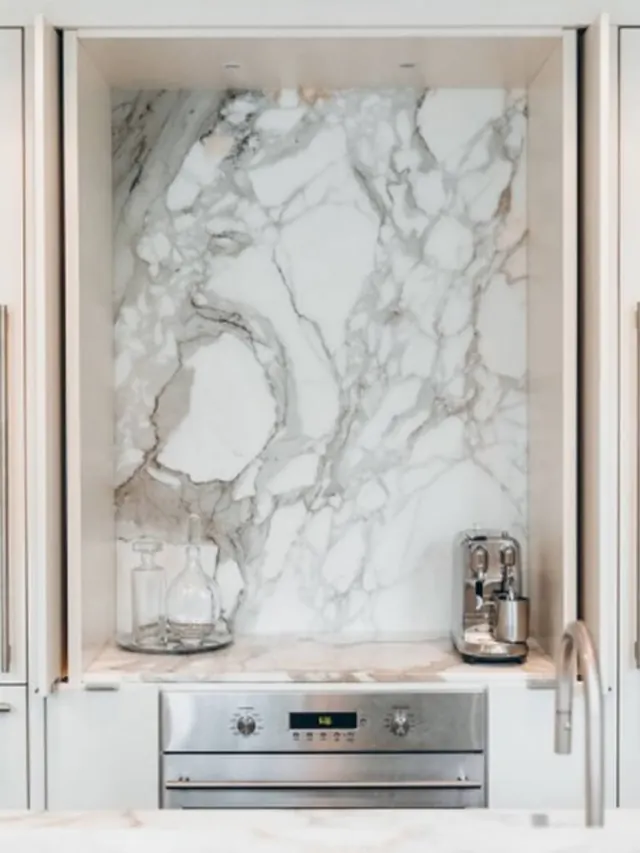
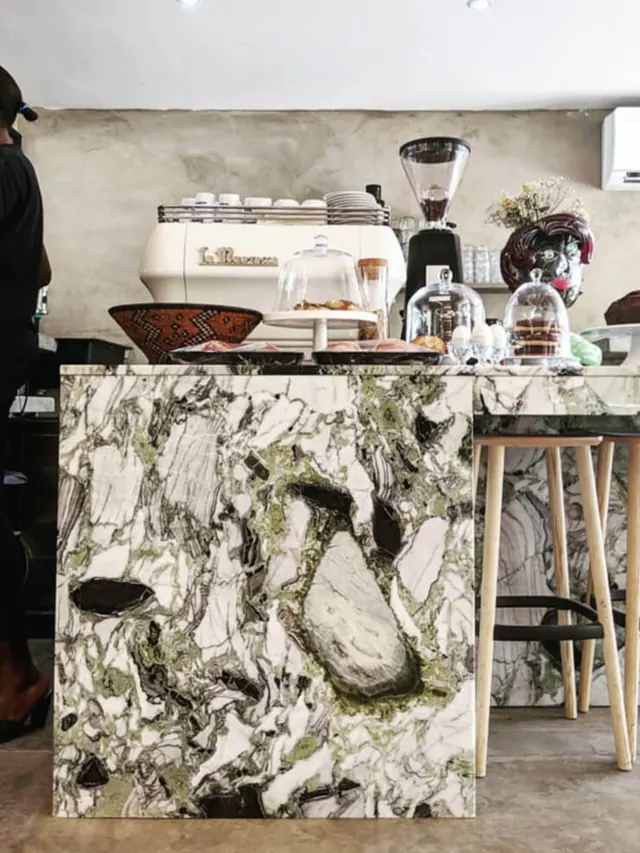
In most Egyptian kitchens the countertop takes everything: a pressure cooker straight off the flame, lemon and vinegar next to the salad, oil splashing near the hob, and a sink used all day. The right stone depends less on looks than on how much of that your kitchen sees.
In our showroom you can put granite, quartz and marble side by side, feel the finishes and look at real edge samples. We then measure your cabinets on site, cut the slab to your layout with the sink and hob openings and the splashback, and install it. You can also choose the actual slab before it is cut.
Stones that suit this use
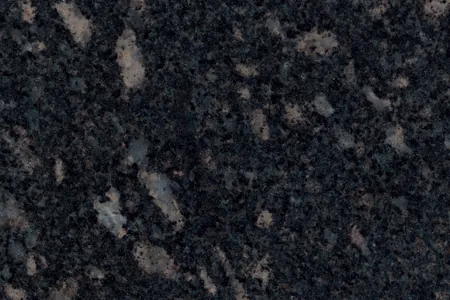
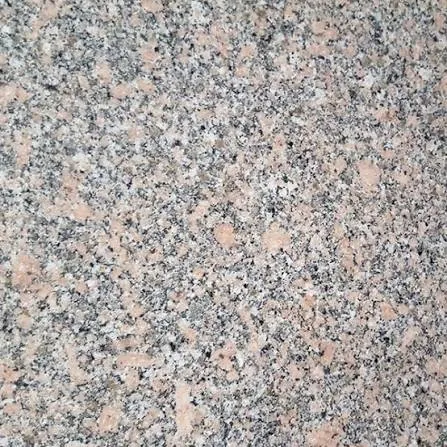
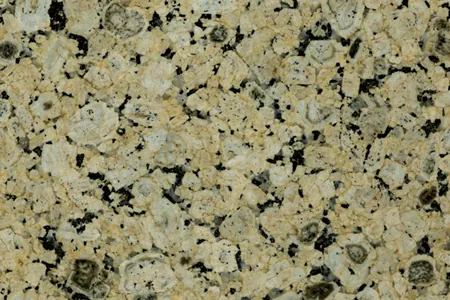
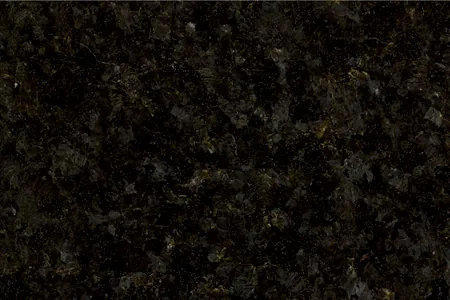
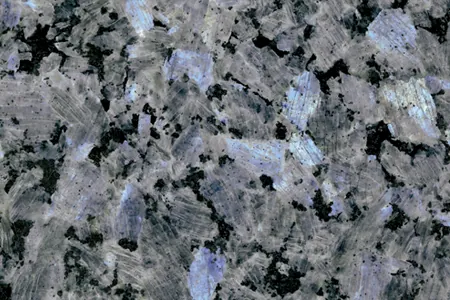
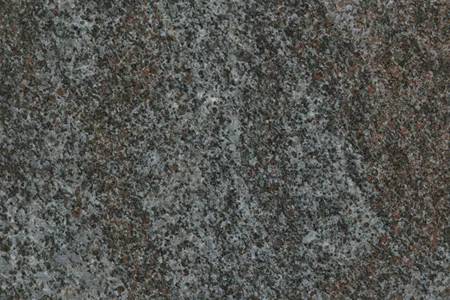
Granite is the practical choice for a busy Egyptian kitchen. It is hard, resists scratches and handles heat well, and dark speckled stones such as Galaxy hide crumbs and daily wear.
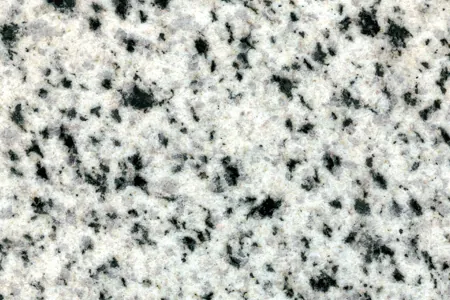

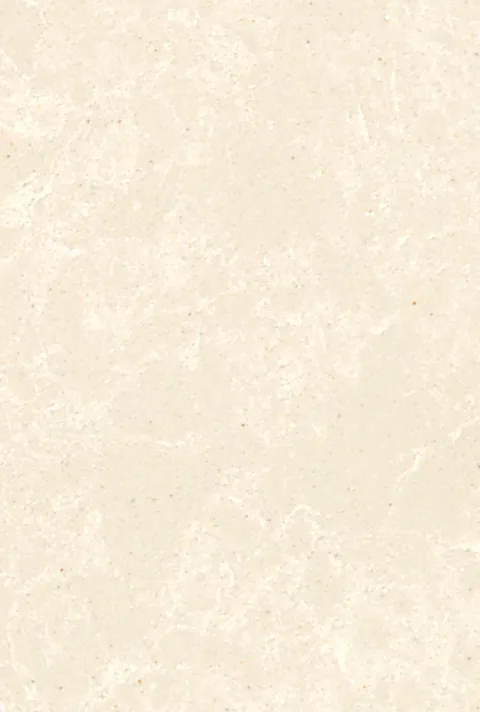
Quartz gives an even colour with no veins to match, and it is non-porous, so it never needs sealing. Keep hot pots off it and use a trivet next to the hob.
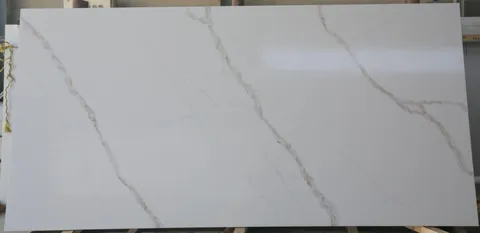
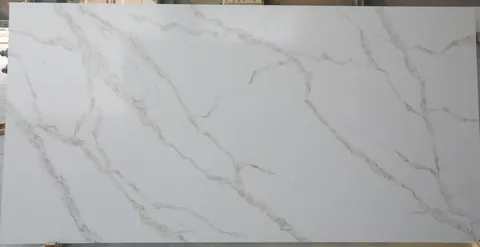
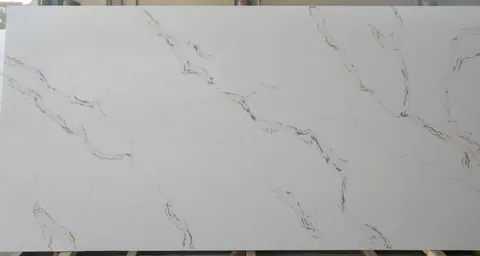
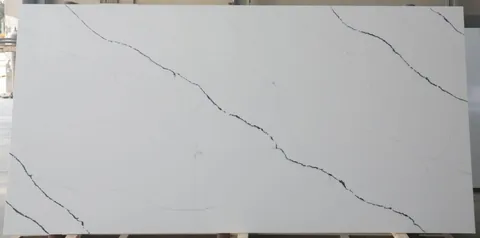
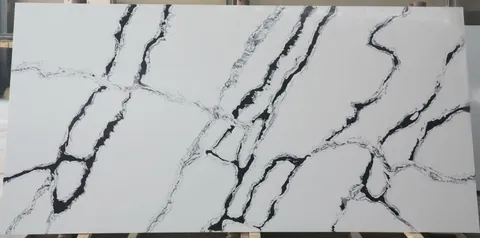
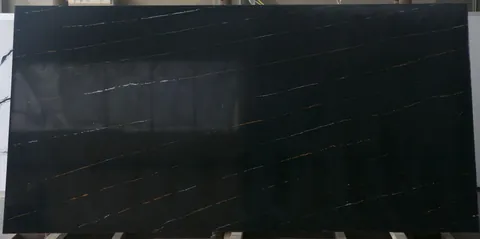
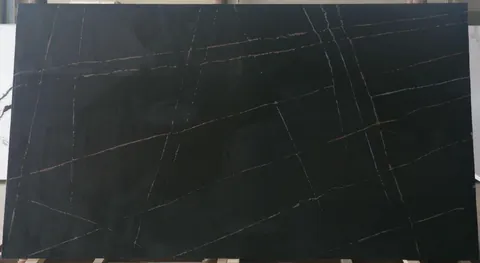
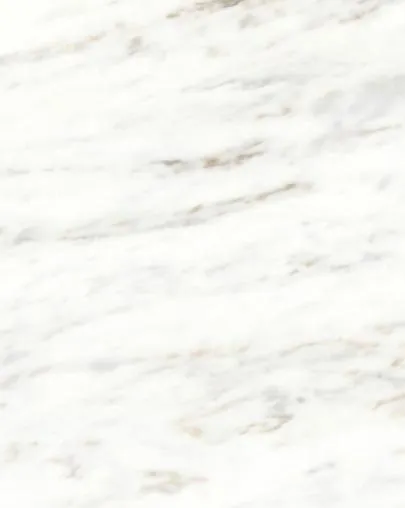
Marble is for people who love its look and accept that it ages. Lemon, vinegar and tomato will etch it, and a honed finish hides those marks far better than a polished one.

What to decide
Thickness
Countertops are usually 2 cm or 3 cm. A 3 cm top feels solid on its own; a 2 cm top is lighter and can be given a doubled front edge to look thicker.
Edges
Common options are a plain straight edge, a bevelled edge, a half-round edge and a doubled edge. Every visible edge is polished to match the surface.
Sink cut-out
An undermount sink sits below the stone, so the cut edge is polished and crumbs wipe straight into the sink. A top-mount sink rests on the stone and is simpler to replace later.
Hob cut-out
The hob opening is cut to the size in the hob's installation guide, and the layout is planned so that no narrow, weak strip of stone is left beside it.
Splashback
The splashback can be a low strip of the same stone along the wall or a full-height panel behind the hob. Using stone from the same batch keeps the colour and veining consistent.
How the job goes
- Visit the showroom or send photos and rough sizes
- Choose the stone, finish and edge
- Measure on site once the cabinets are fixed and level
- Agree the layout, joints, sink and hob openings
- Cut and polish the slab in the workshop
- Install, seal where the stone needs it, and hand over
Questions people ask
Galaxy granite or quartz for the kitchen?
Galaxy is a dark granite with bright flecks. It handles heat, hides crumbs and is very hard. Quartz has a calmer, even look and never needs sealing, but it does not like hot pots, so the choice often comes down to how you cook.
Does a granite countertop need sealing?
Some granites are dense and barely absorb anything, while some lighter ones can take up oil and need a sealer from time to time. Put a few drops of water on the surface: if they soak in quickly, it is time to seal. Quartz never needs sealing.
Should I choose 2 cm or 3 cm?
Both work well on standard cabinets. 3 cm looks heavier and is stiffer across long runs, while 2 cm is lighter and can be given a doubled edge at the front. You can compare both in the showroom.
When should I call you to measure?
Once the cabinets are installed and level, and ideally when you already have the sink and hob, because their sizes decide the openings. Measuring before that risks cutting twice.
Send a photo and your measurements
Message us on WhatsApp with a photo of your kitchen, stairs or floor and the rough size. We reply with stones that suit and a clear quote.