
Marble and granite floors for apartments, villas and entrances
A stone floor is laid once and lived on for decades, so the decisions made before installation matter most.
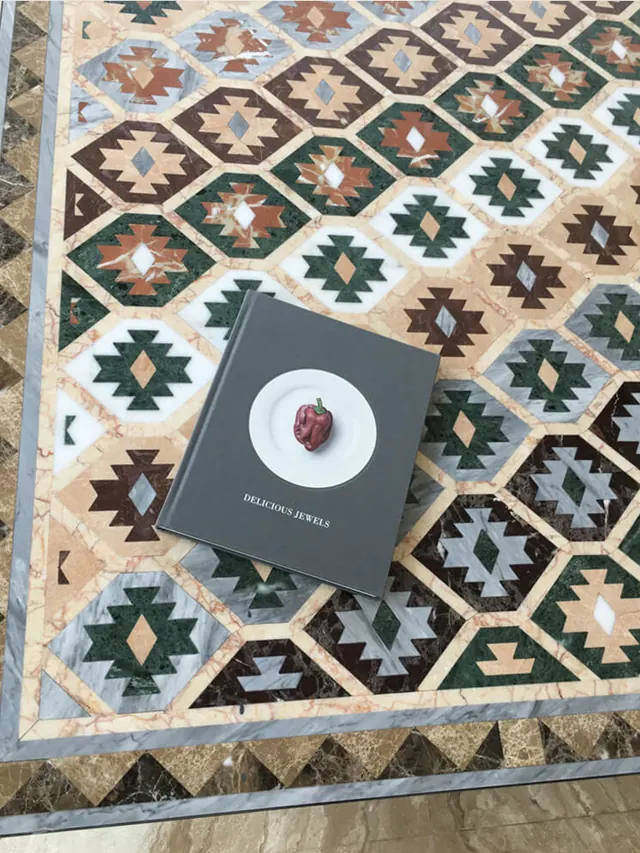
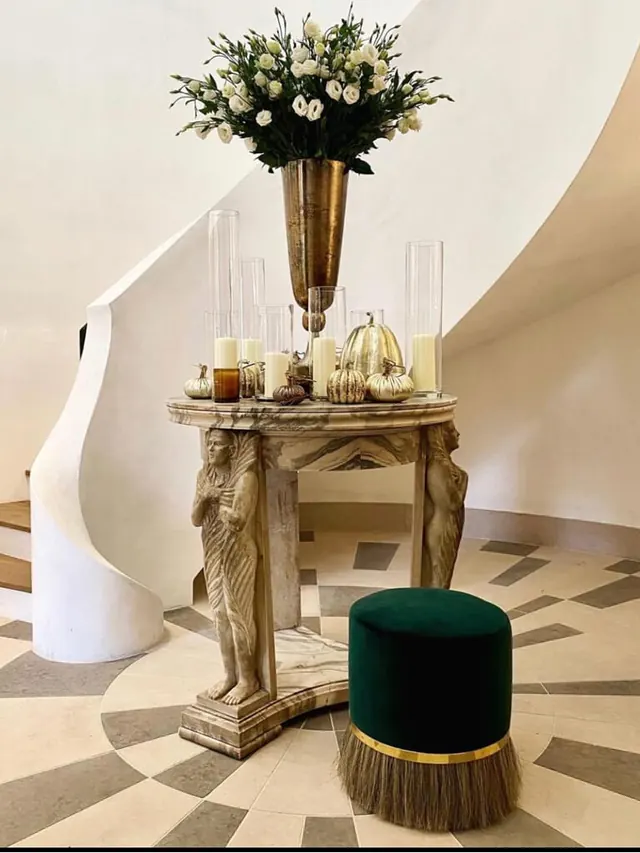


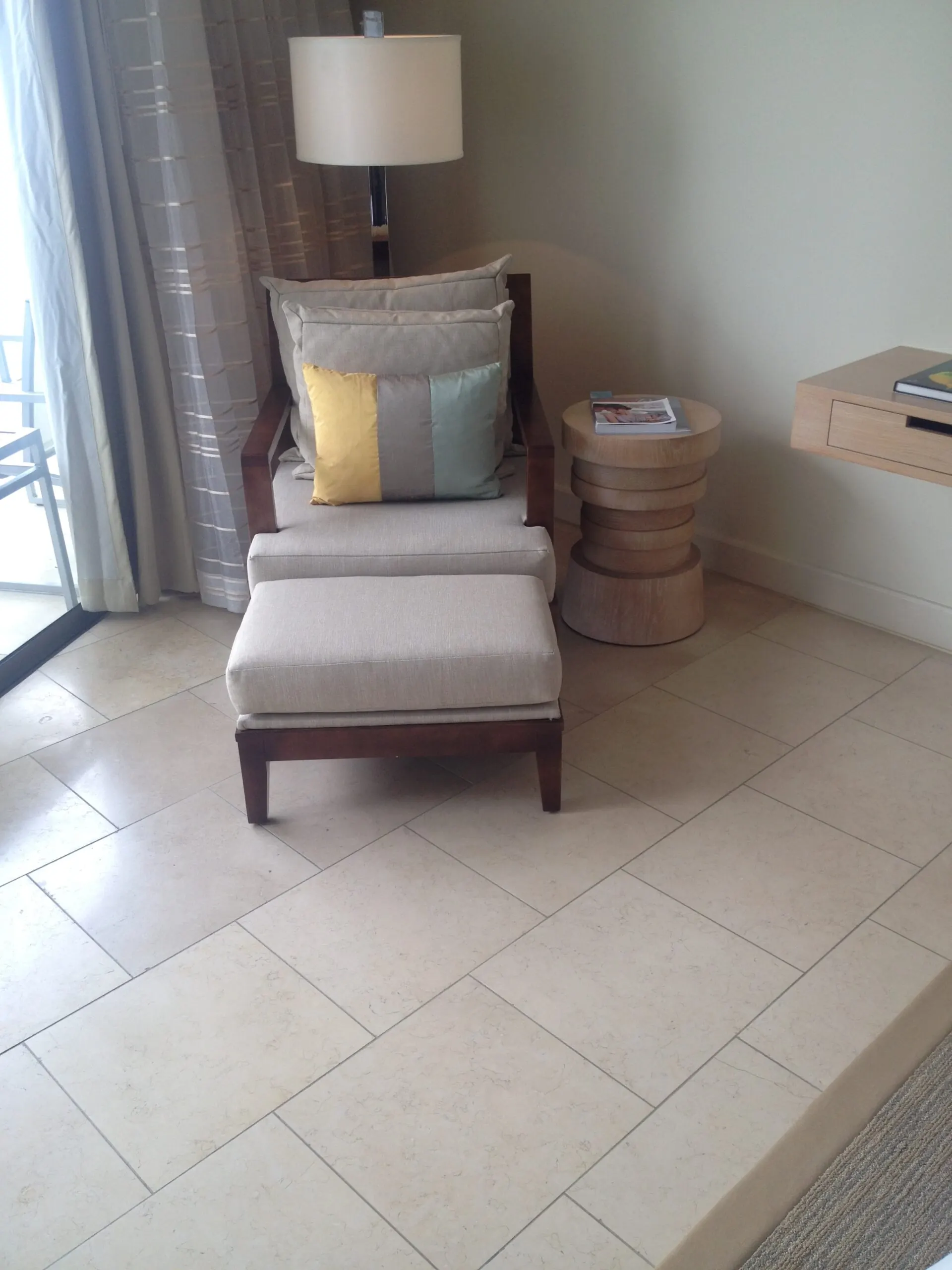
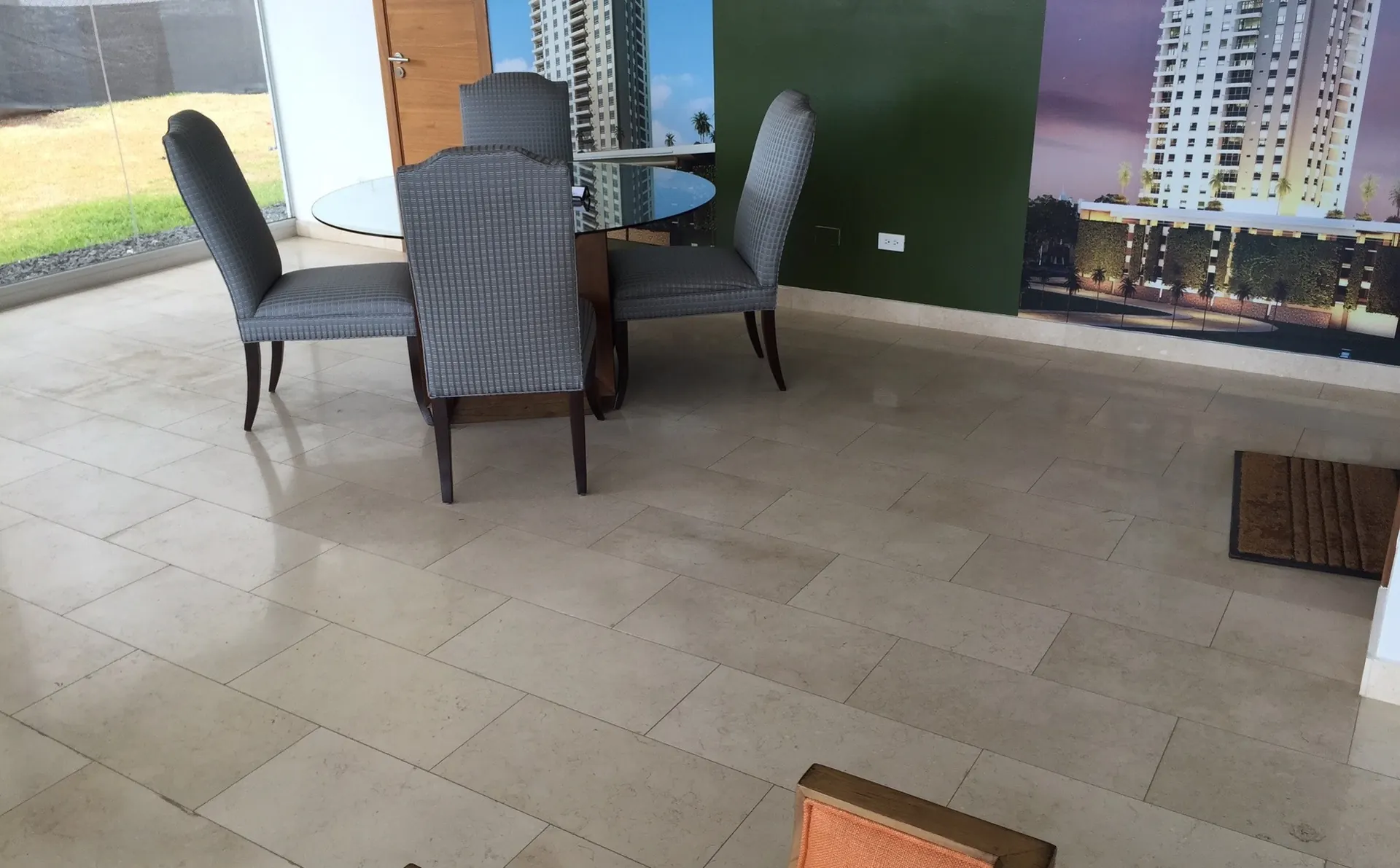
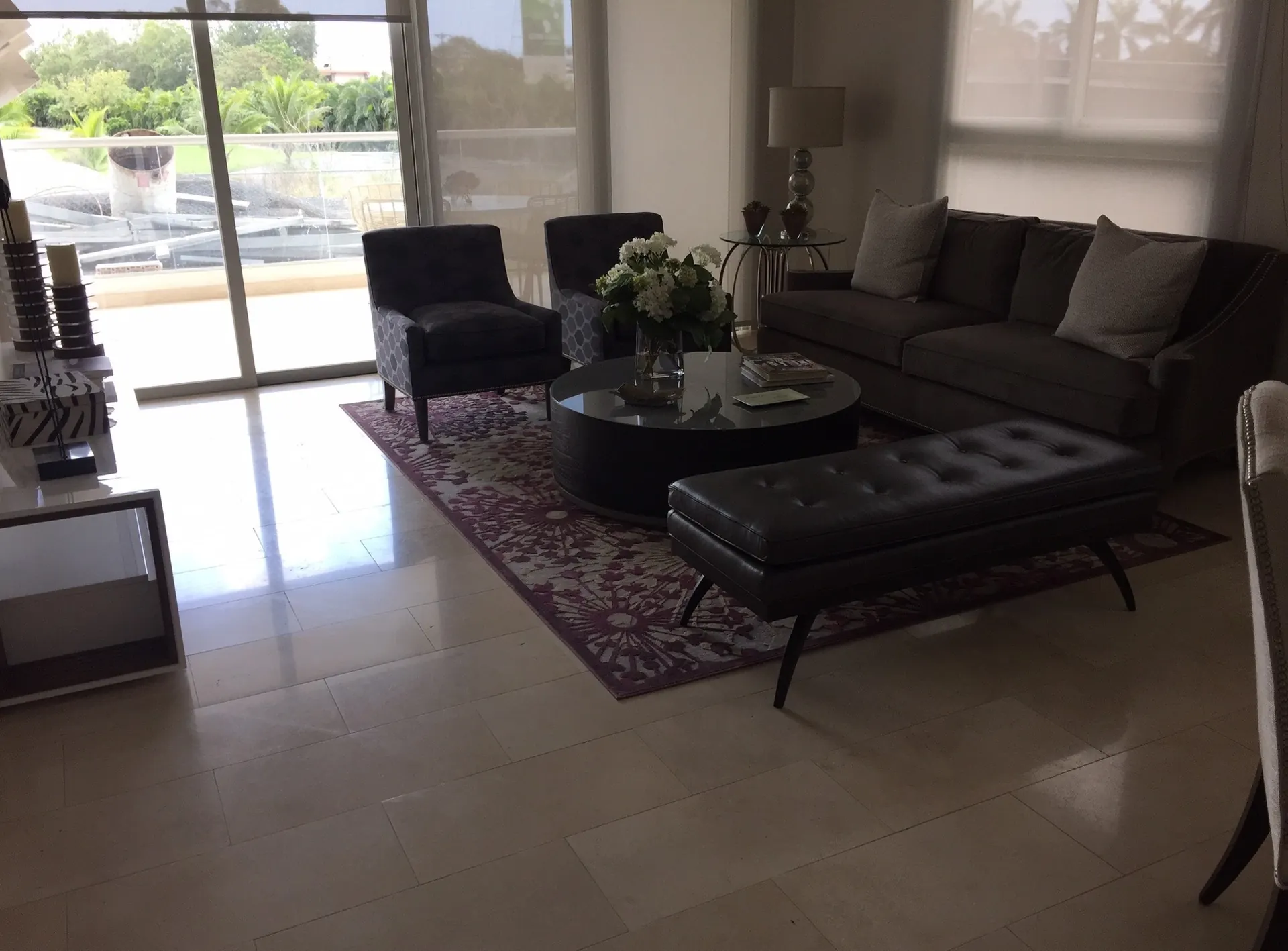
Marble floors are part of the Egyptian home: the reception, the corridor, the villa entrance that guests see first. What decides how a floor looks years later is less the stone than the planning: the size of the pieces, where the joints fall, how the floor meets the doors and the stairs, and how it is finished.
We supply ready-sized calibrated tiles or pieces cut to size from slabs, and we install and polish the floor on site. In the showroom you can see large samples next to each other, which is a far better way to judge how veins and colour will read across a whole room than a small piece in your hand.
Stones that suit this use
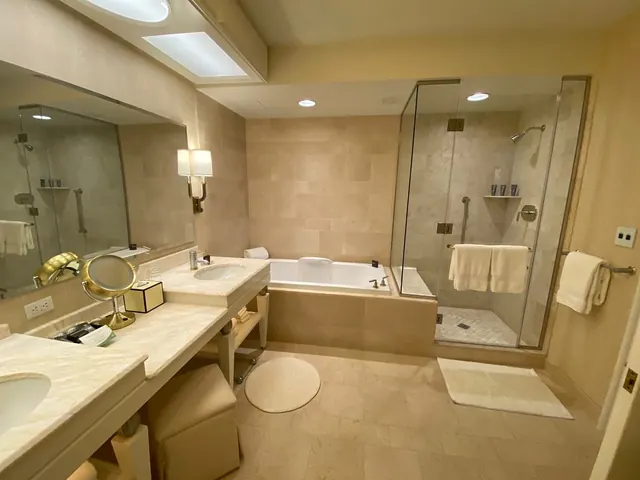
Marble is the classic choice for receptions, bedrooms and corridors. It can be ground and repolished on site years later, and a honed finish hides fine scratches and marks from daily life.








Granite is harder and better for entrances, shop fronts and corridors that take heavy traffic or sand from outside. It holds its polish longer under wear.
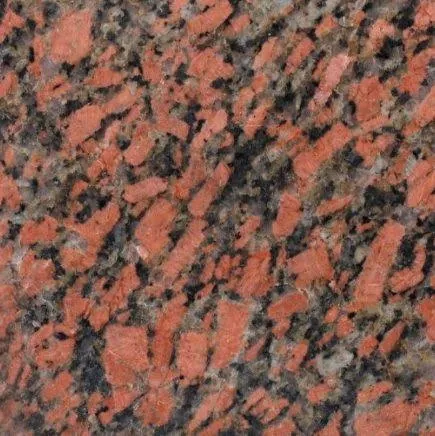

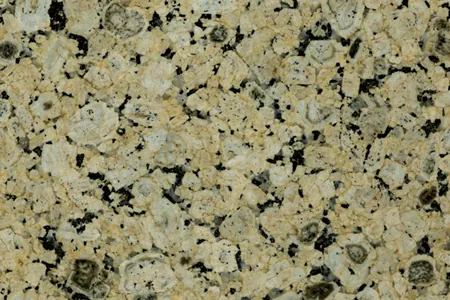

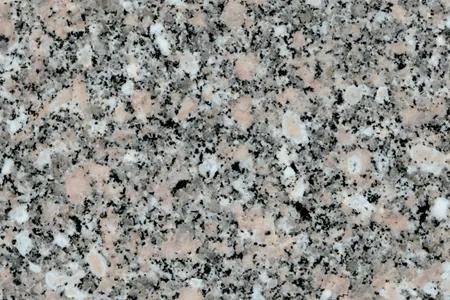


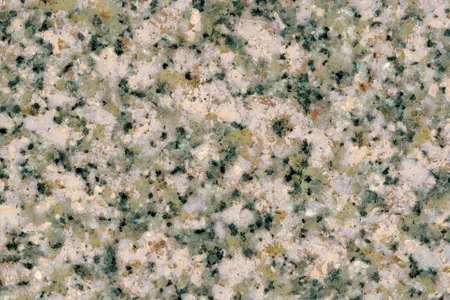
What to decide
Tiles or slabs
Calibrated tiles come in fixed sizes and thicknesses, so they lay quickly and evenly. Pieces cut from slabs allow larger sizes and let the veining flow across the room.
Joints and grout
Stone floors are usually laid with very fine joints, filled with a grout close to the stone colour. A small gap is left along the walls, and at intervals on large floors, to allow for movement.
Polishing on site
Marble floors are often ground and polished on site once they have set. This removes small level differences between pieces and gives one continuous finish across the room.
Thresholds and borders
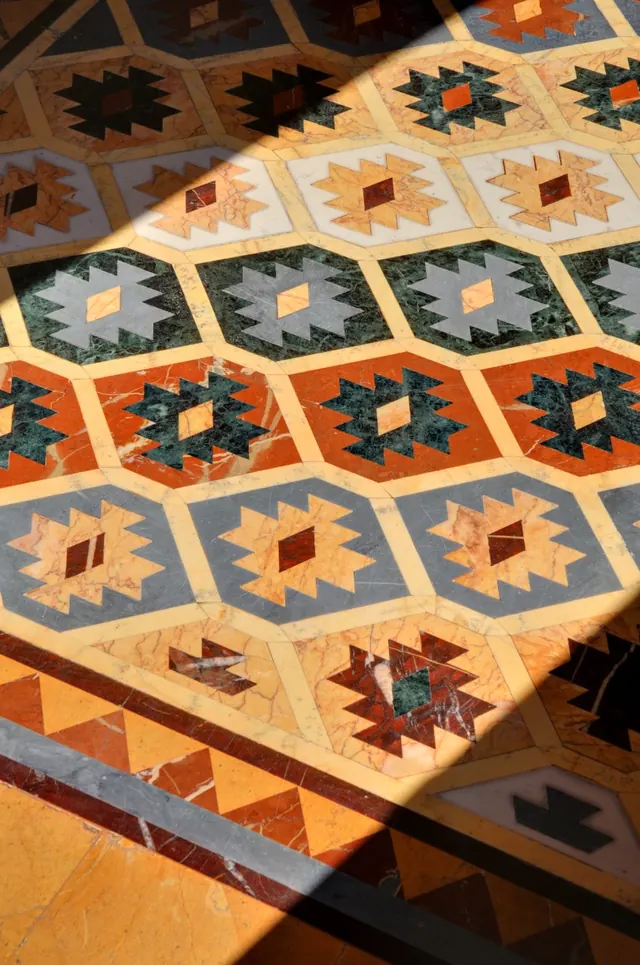
Plan door thresholds, borders and inlays together with the floor, not after it. They affect the finished levels and how one room leads into the next.
Finish
Polished reflects light and suits formal rooms. Honed is matt, calmer and more forgiving. Leather has a soft texture that feels good underfoot.
How the job goes
- Visit the showroom or send your floor plan
- Choose the stone, piece size and finish
- Measure on site and check the floor levels
- Agree the layout, starting line, borders and joints
- Cut and deliver the stone
- Lay, grind and polish on site, then hand over
Questions people ask
Marble or granite for a villa floor?
Many villas use both: marble for the reception and bedrooms, granite at the entrance, terrace doors and service areas. Marble gives a softer look and can be repolished, while granite takes wear and sand better.
What does polishing after installation mean?
Once the tiles have set, machines grind the floor to level the small lips between pieces, then polish it up to the chosen finish. The result is a flat, continuous surface.
What size of marble tile should I choose?
Larger pieces mean fewer joints and a calmer look, which suits big receptions. Smaller pieces are easier to lay on floors that are not perfectly level and waste less stone in small rooms. You can compare sizes in the showroom.
How do I keep a marble floor looking good?
Sweep or vacuum often, because sand scratches polished stone. Mop with water and a neutral cleaner, wipe up juice or vinegar quickly, and put mats at outside doors.
Send a photo and your measurements
Message us on WhatsApp with a photo of your kitchen, stairs or floor and the rough size. We reply with stones that suit and a clear quote.