
Interior wall cladding in marble, quartz and granite
Stone on a wall is seen more than it is touched, so the layout of joints and veins is what people notice first.
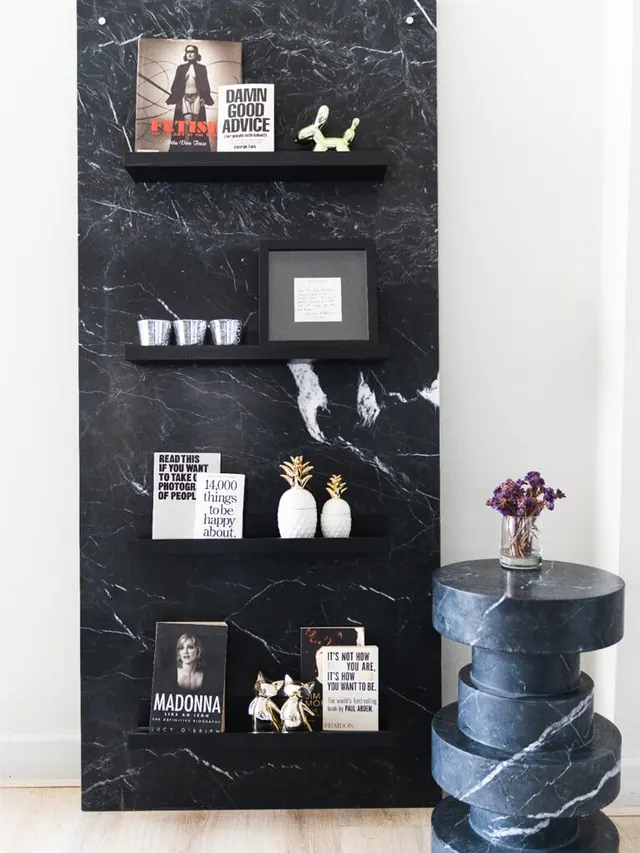
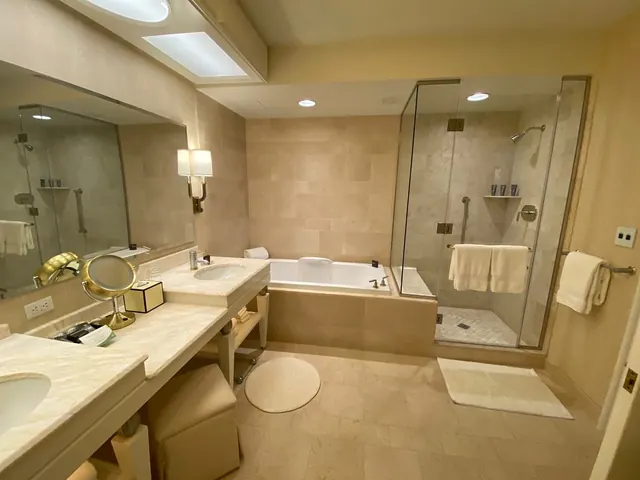
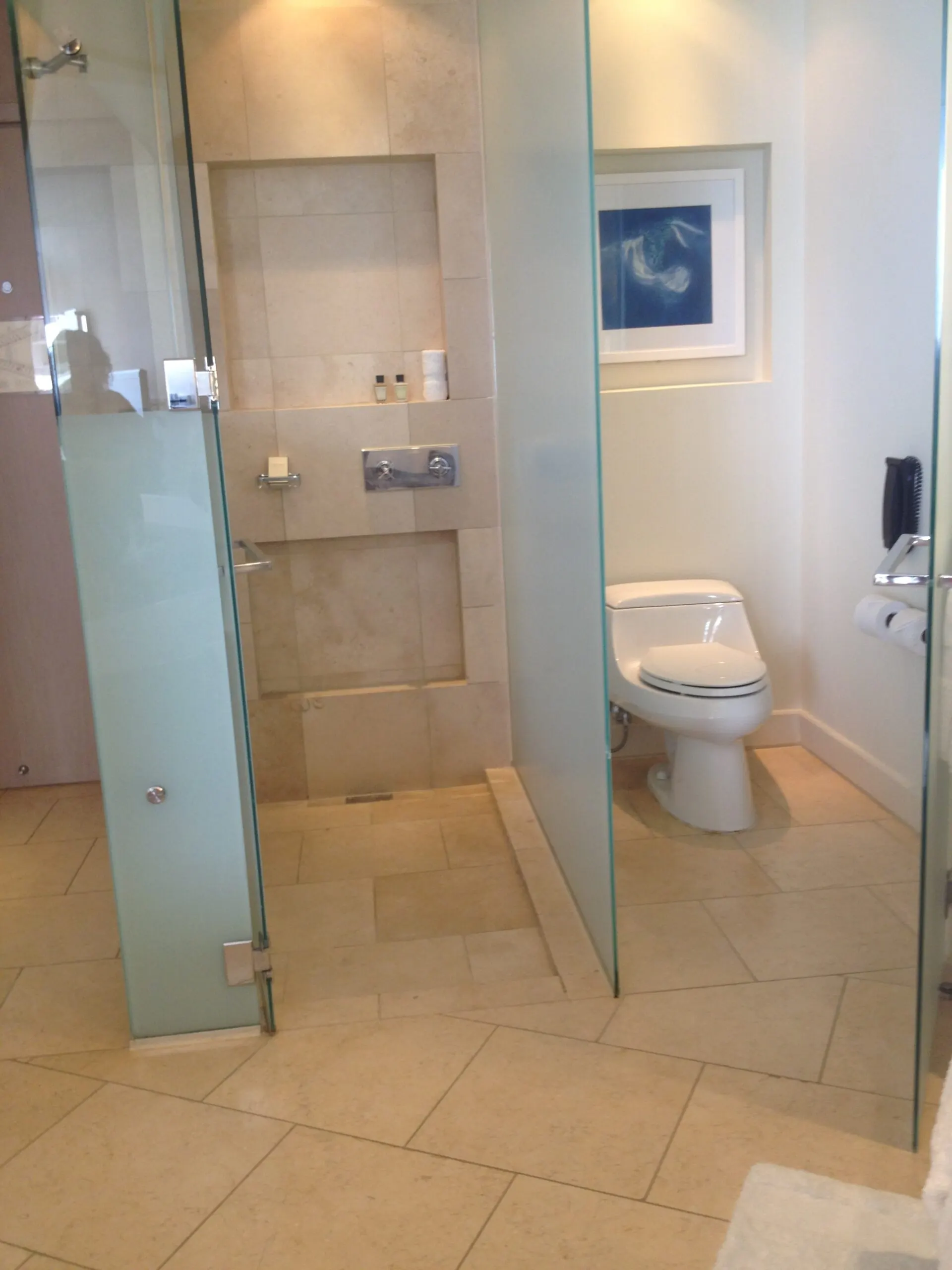
Wall cladding is where stone becomes decoration: the wall behind the TV, the entrance hall, a column or a reception wall. Unlike a floor, a wall is judged from a few steps away, so the size of the panels, the direction of the veins and where each joint sits matter more than hardness.
Walls also carry weight. Lighter panels at low height can be bonded with adhesive, but large, heavy or high panels need mechanical fixing with metal anchors into the wall. We look at the wall, the height and the panel size before recommending either, then cut the panels, fix them and finish the joints.
Stones that suit this use
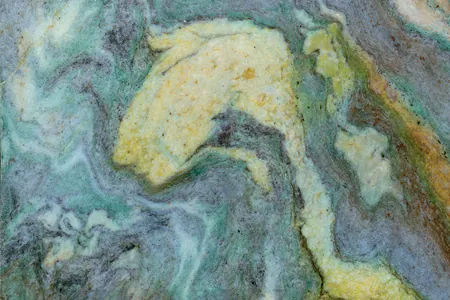
Marble is the classic cladding stone. On a wall it is safe from lemon and hot pots, so you can enjoy its veins without the worries it brings to a kitchen.

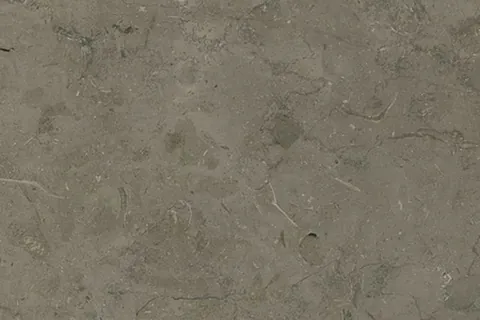
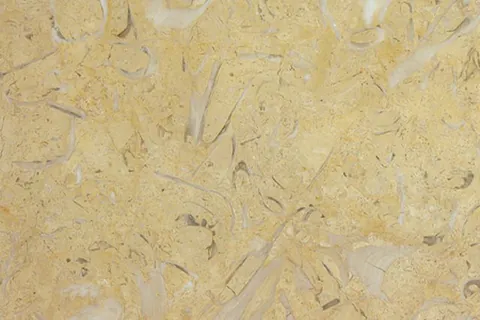
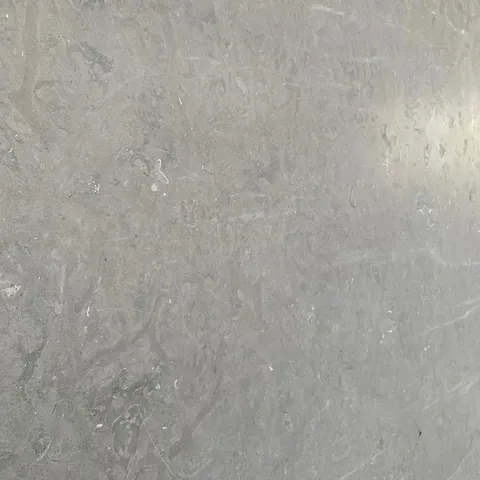
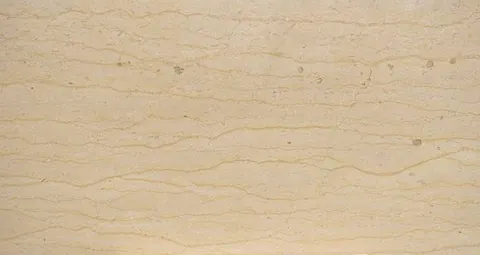

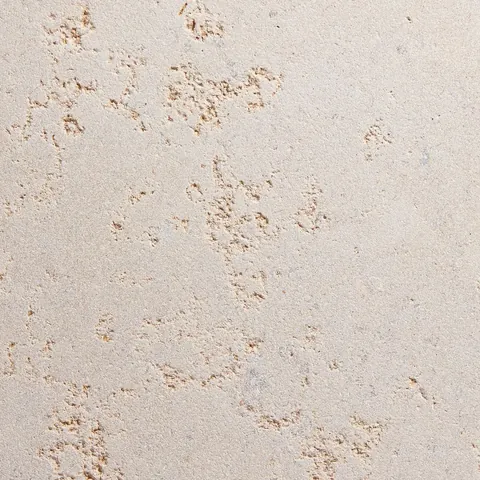
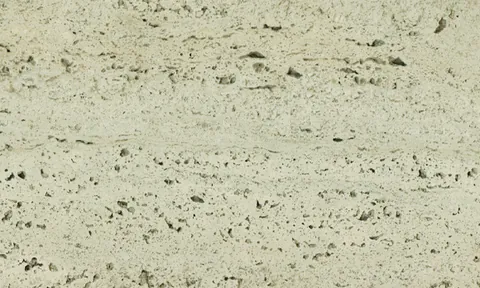
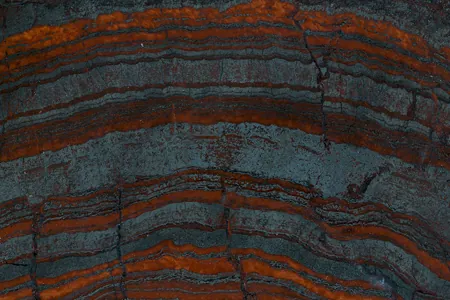
Quartz gives large, even panels with a modern look and consistent colour from one panel to the next. It is for indoor walls only, away from direct sun.
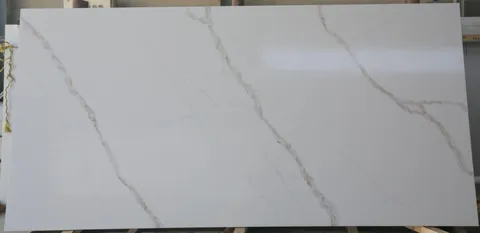
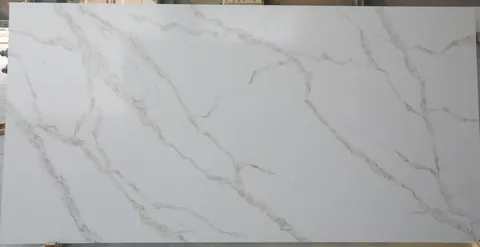
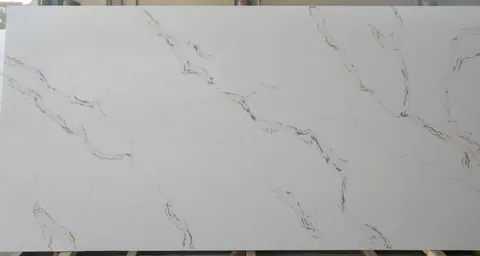
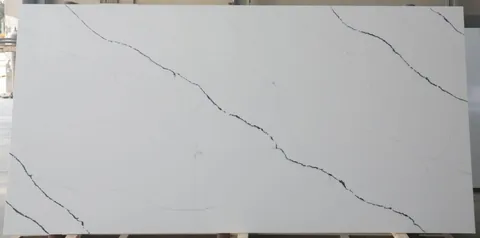
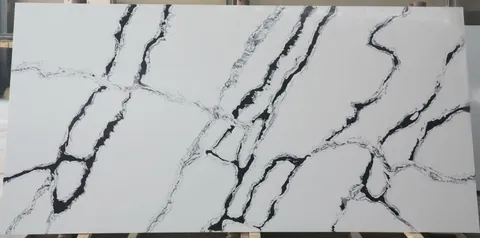
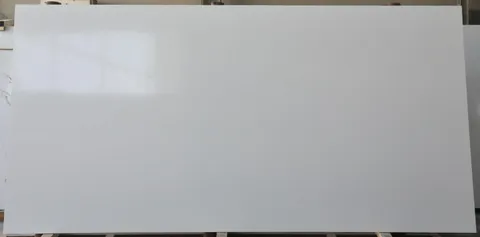
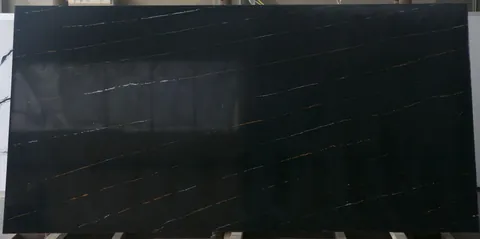
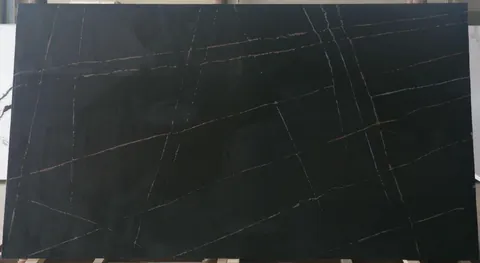
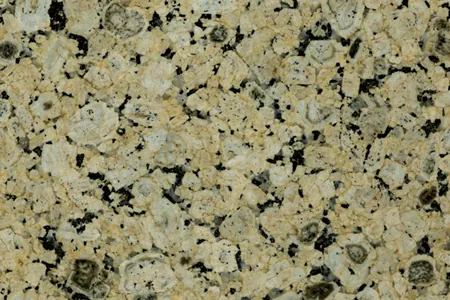
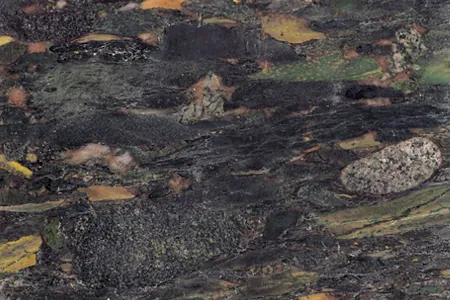
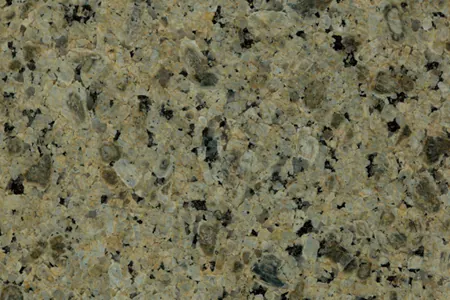
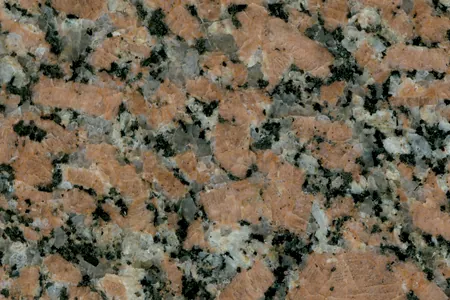
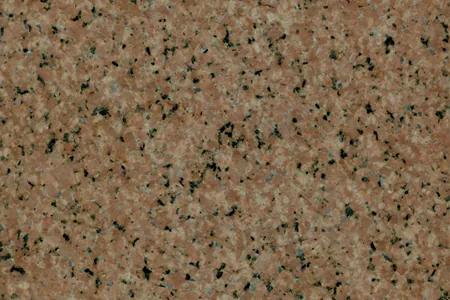
Granite suits walls that get knocked, such as corridors, lift lobbies and building entrances, and a honed or leather finish gives it a calmer look.
What to decide
Adhesive or mechanical fixing
Adhesive suits lighter panels at low height on a sound wall. Mechanical fixing holds each panel with stainless steel anchors and is used for heavy, large or high panels.
Panel layout
Panel sizes and joint positions are planned before cutting, so joints line up with doors, sockets and the TV position instead of landing in awkward places.
Sockets and TV mounts
Power points, the TV bracket and hidden cable routes need to be decided before fixing. Openings for sockets are cut in the workshop, and bracket bolts are kept away from joints.
Thickness
Interior cladding is commonly 2 cm. Thinner panels are lighter but more fragile, and thicker ones need stronger fixing.
How the job goes
- Visit the showroom or send photos of the wall
- Choose the stone, finish and panel sizes
- Measure on site and check the wall
- Agree the panel layout, fixing method and openings
- Cut and polish the panels
- Fix the panels, finish the joints and hand over
Questions people ask
What is the difference between mechanical fixing and adhesive?
With adhesive, the panel is bonded directly to the wall. With mechanical fixing, metal anchors hold each panel to the wall, so the stone does not depend on adhesive alone. Heavy, large and high panels need mechanical fixing.
Can I put marble behind the TV?
Yes, it is a very common use. Decide the TV height, bracket type and cable route first, so the openings can be cut and the bracket bolts kept clear of panel joints.
Does the wall need preparing first?
The wall should be plastered, flat and dry. Uneven walls take more work to get the panels straight, and we check this when we measure.
Polished or honed for wall cladding?
Polished stone brings out colour and veins and reflects light, which suits receptions. Honed and leather finishes are calmer and hide fingerprints, and they work well in corridors and modern interiors.
Send a photo and your measurements
Message us on WhatsApp with a photo of your kitchen, stairs or floor and the rough size. We reply with stones that suit and a clear quote.