
Galala marble: Classic, Extra, Gold and Perlato compared, and where each one belongs
Galala is Egypt's best-known beige marble, but the one name covers four types that differ in tone, markings and how they are graded. This guide explains the differences and helps you pick the right one for each room.
What is Galala marble?
Galala is quarried on Galala Mountain near Suez and is Egypt's best-known beige marble. It is a warm cream with a fine grain, it cuts and polishes easily, and it is on floors and stairs everywhere. Geologically it is a dense limestone that takes a polish and is sold as marble, which explains its tiny pale flecks and small shell fragments.
The four types here are the same stone. Extra is a grade, the palest and cleanest pick of it. Gold and Perlato are natural variations, one warmer in tone, the other with clearer clouds. The table below sums up the differences; each type then gets its own section.
| Type | Colour | Look | Best place |
|---|---|---|---|
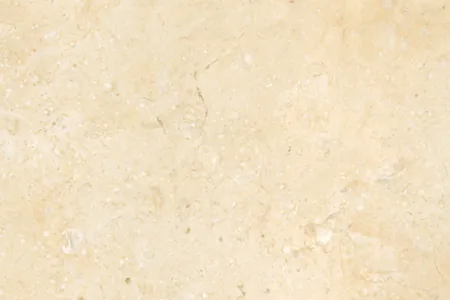
| Galala Classic | Warm cream-beige | Fine even grain, small pale flecks, a few hairlines | Floors, stairs, bathroom walls, window sills |
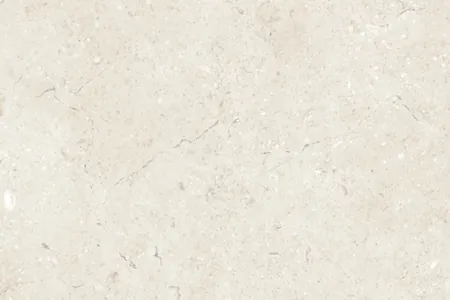
| Galala Extra | Pale ivory-cream | Almost plain, only faint grey hairlines | Bathrooms, corridors and floors you want bright |
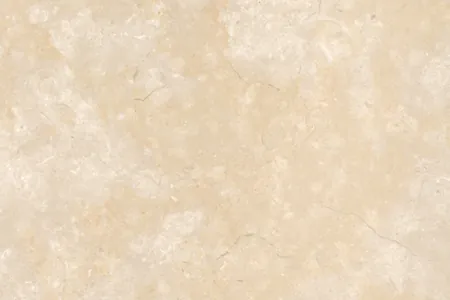
| Galala Gold | Warmer honey-beige | Paler clouds and thin golden lines | Entrances, the main staircase, feature walls |
| Perlato Galala | The same Galala beige | Rounded pearly clouds that hide everyday wear | Large floors, stairs and walls |
Galala Classic: the baseline
Galala Classic is the warm cream-beige most people picture, and the reference for the other three. Side by side it sits in the middle: more flecks and faint clouds than Extra, none of Gold's honey cast, and vaguer, fewer clouds than Perlato. Warm bulbs deepen it to a sandy cream; cool daylight keeps it neutral. It pairs with walnut, oak and off-white walls. The common mistake is treating it as plain: across a whole floor its clouds and hairlines do show, so keep any slab with a heavy dark line for a riser. Also sold as Galala Beige or Galala Light, it takes the widest range of finishes, from polished, honed and brushed to antique, tumbled and sandblasted.
Galala Extra: the same stone, a higher grade
Galala Extra is the palest grade, a soft ivory-cream with the fewest marks. Side by side it is the one with almost no clouds: a shade lighter than Classic, flecks barely there, only faint grey hairlines. It is the Galala for a room that needs light: a windowless corridor, a small bathroom, a north-facing bedroom. Cool white bulbs keep it neutral; warm bulbs make it creamier, so judge it under the light you will use. It suits white walls and pale oak. The mistake is expecting white: it is still cream, and next to a bright-white basin or paint it reads warmer than expected. On the slab, check the ground matches piece to piece with no yellowish patch.
Galala Gold: Galala with a honey tone
Galala Gold is the honey-toned Galala, with thin golden lines through the beige. Next to Classic the difference is clearest in daylight and shrinks under warm evening bulbs: Classic looks neutral, Gold looks warm, and Classic has no gold lines. At floor scale the gold reads as a soft glow rather than a pattern; the lines show only up close. It flatters dark wood, brass and deep green walls; against bright white paint it can look yellowish, so test it against your paint. Mixing it with Classic in one space is the usual mistake: Classic then looks grey and Gold yellow. On the slab, check how strong the gold is, because it varies from piece to piece.
Perlato Galala: pearly clouds that hide wear
Perlato Galala is the Galala with the clearest clouds: rounded, pearl-coloured patches over the Classic beige. Side by side, Classic's clouds are faint smudges while Perlato's have edges you can follow. Cool daylight brings out the contrast; warm bulbs soften it to a gentle shimmer. It suits a large floor where a plain stone would look flat, and hides wear in a busy hall better than the plainer types. It pairs with mid-tone wood and off-white walls. The mistake is using it in small scattered pieces: the clouds need room, and on a narrow strip they become cut-off blotches. On the slabs, compare cloud size across the pieces; the mix is what you will see on the floor.
Where each type suits in an Egyptian home
Which type gives the best result in a room comes down to traffic, light, and the colour of the wood and paint around it. Use this list as a starting point, then decide in the showroom with the slabs side by side:
- Large floors: Classic for calm, Perlato for heavy traffic.
- Stairs: all four; Classic and Perlato are the most practical, Gold when the staircase is on show.
- Bathrooms and vanity tops: Classic and Extra; Extra for a small bathroom you want bright.
- Corridors and bedrooms: Extra opens the space, Classic calms it.
- Feature walls: Gold and Perlato.
- Sills and thresholds: any type, cut with the floor so the colour matches.
Galala marble for stairs
Stairs are one of the places Galala is chosen most often, because it cuts and shapes easily and gives treads and risers in one colour. For the treads, the part you step on, pick the thicker slabs with the fewest hairlines, since they take the wear; keep the marked pieces for the risers. A half-bullnose or bevelled edge is kinder than a square edge for children.
On a building stair, ask for honed or brushed treads, or anti-slip grooves, instead of polished: sand from the street scratches the shine and a wet shoe slides on it. Order the skirting that follows the stairs together with the treads, so the colour does not change halfway up.
Which finish for which use
The finish changes how Galala looks more than the type does. Polished gives the deepest colour and clearest pattern, bringing out Gold's lines and Perlato's clouds, and suits indoor floors, walls and sills. Honed lightens the colour a shade, hides small scratches and grips better under a wet foot, so it suits bathroom floors and stair treads. Brushed sits between the two: a soft sheen that hides everyday wear.
Classic is the only one that also comes tumbled or sandblasted, for an aged-looking wall or a grippier bathroom floor. Classic, Gold and Perlato take an antique finish; Extra stays polished, honed or brushed, because its cleanness is the point. Our finishes guide has more.
How to judge a slab in the showroom
No two Galala slabs are identical, so judge them in the showroom, not from a description. Ask for the slabs that will be cut for you, and stand three or four side by side in daylight. The ground colour should match closely; a clearly darker or yellower slab goes to the risers or out of sight.
Pale flecks and tiny shell fragments are natural, not a fault. Dark hairlines should be few and faint; if a line is open or your fingernail catches on it, it is a crack, not a pattern. For Perlato and Gold, ask for a dry lay to spread the pattern, and keep spares from the same batch for later repairs.
Caring for Galala marble
Acid and sand harm Galala; heat and water do not. Lemon, vinegar and acidic bathroom cleaners etch a polished surface within minutes, and bleach and strong cleaners can discolour it and strip the sealer, so use only a pH-neutral stone soap. An etch is a dull spot in the surface that only re-polishing removes; a stain has soaked in, which is what the sealer slows. Sealing therefore matters more on pale Extra than on cloudy Perlato.
Street sand dulls a polished floor or stair: a doormat and frequent sweeping put off an early re-polish, and felt pads under chair legs stop drag marks. When the shine fades, re-polishing brings it back; we offer this in Alexandria.
Questions people ask
What is the difference between Galala Classic and Galala Extra?
Same stone, different selection. Extra is picked from the palest beds with the fewest lines, so it is an almost plain ivory-cream; Classic is a warmer cream-beige with light flecks and clouds. Extra looks cleaner but shows stains sooner.
Can I use Galala marble for a kitchen countertop?
We do not recommend it. Galala is a soft marble that etches with lemon and vinegar and stains with oil, so a countertop used every day will show marks quickly. For the kitchen ask about granite or quartz, and keep Galala for floors, stairs and bathrooms.
Which Galala type is best for stairs?
All four work on indoor stairs. Classic and Perlato are the most practical because their pattern hides wear; Gold suits a staircase seen from the entrance. Use the thicker, cleaner slabs for the treads, and a honed finish or anti-slip grooves on a building stair.
Does Galala work on a balcony or a facade?
Galala is not a stone for facades or exposed areas: sun, rain and sand fade the colour and scratch the surface quickly. For balconies and outdoor entrances ask about granite, or read our guide to outdoor stone.
Why do my Galala tiles not all match?
Because it is a natural stone whose colour shifts from one bed of the mountain to the next. Have your whole order cut from one batch, lay the tiles out dry before fixing to spread the shades, and keep spares from the same batch.
How installation works
Installation follows a clear order: you choose the stone, we measure on site, you approve the actual slabs, we cut and finish the pieces, then we install, polish, seal and hand over. Visit timing and the schedule are details we confirm on the visit.
How to measure
You do not need to be precise to ask. A rough measurement and a photo are enough for a first quote; we take the final measurements on site before cutting.
What decides the price
The price per metre depends on the stone itself, how it is cut and finished, and how hard it is to install at your site. Two quotes for the same stone name can differ because of grade, thickness, edges, waste and access.
Send a photo and your measurements
Message us on WhatsApp with a photo of your kitchen, stairs or floor and the rough size. We reply with stones that suit and a clear quote.